

The Quiet Magic of Returning
There’s a moment, often subtle, when a resort stops feeling like a place you visit and starts feeling like a place you return to. For some, it happens on the second or third stay—when the front desk staff greets you by name, when you know exactly where to find the best coffee on property, or when your children run ahead to the kids’ club as if it’s their own backyard. This transformation from guest to “regular” is at the heart of what makes vacation ownership in Mexico-and indeed, anywhere-so enduringly satisfying.
But what is it, exactly, that makes a resort feel familiar so quickly? And why do so many owners and families find themselves drawn back, year after year, to the same stretch of sand, the same poolside loungers, the same gentle routines? The answer lies in a blend of psychology, hospitality design, and the evolving business of timeshare.
The Comfort of Knowing What to Expect
Psychologists have long noted that humans are wired to seek out familiarity, especially in environments meant for rest and renewal. As Dr. Charlotte Russell, a clinical psychologist, explains, We usually return to places that we have a sense of connection to. This sense of connection can build with multiple visits and the place can often become somewhere that is meaningful to us. This meaning is an important building block for well-being. (source)
:max_bytes(150000):strip_icc()/GettyImages-2149664000-9da6cc87dfa948d09474ebd2ef6cee3e.jpg)
This is more than nostalgia. It’s about reducing uncertainty. When you know the layout of a resort, the rhythm of breakfast service, or the shortcut to the beach, your mind relaxes. The anxieties of travel—Will the room be ready? Will the kids be bored? Will I find something I like to eat?—fade into the background. Instead, you slip into a pattern of ease, where the only surprises are pleasant ones.
A recent survey found that nearly three in four Americans love to return to familiar destinations, with repeat travel offering the reward of fewer unknowns, which can make it feel more relaxing. (Thrillist)
The Business of Belonging: How Resorts Build Familiarity
Behind the scenes, the best resorts in Mexico have made an art of turning first-time guests into lifelong regulars. This isn’t accidental. It’s the result of systems, training, and a deep understanding of what makes people feel at home.
Consistency Over Novelty
Major timeshare brands like Villa Group Resorts (Villa del Palmar), Vidanta, and international names such as Marriott, Hilton, and Hyatt have all invested in creating environments where consistency is valued over constant reinvention. Owners know that their favorite suite layout, their preferred pillow, or their go-to poolside snack will be waiting for them, year after year.
Repeat travel offers the reward of fewer unknowns, which can make it feel more relaxing. It helps dispel many of the anxieties associated with not knowing what to expect at a destination.
Irene Levine, Clinical Psychologist and Travel Writer (Thrillist)
Community and Recognition
Many resorts foster a sense of community through owner events, welcome-back receptions, and even small gestures like remembering a guest’s birthday or favorite drink. Over time, these touches accumulate, creating a sense of belonging that goes beyond the transactional.
Villa Group Resorts, for example, is known for cultivating owner communities where guests recognize not just the staff, but each other. This network of familiar faces—both professional and personal—deepens the sense of homecoming.
Flexible Ownership Models
The shift from rigid, fixed-week timeshares to points-based and flexible systems has also played a role. Owners can now return to their favorite resort at different times of year, or even try new properties within the same brand, all while enjoying a consistent standard of service and amenities. This flexibility allows for both tradition and variety, keeping the experience fresh without sacrificing comfort.
The Science of Memory and Place
Why does a resort become familiar so quickly? The answer, in part, is neurological. Each positive experience—whether it’s a warm greeting at check-in or the scent of bougainvillea on the breeze—creates new neural connections. Over just a few visits, these connections deepen, turning the resort into a repository of personal memories.
As one traveler shared, When we learn or experience something new, our brain creates a synapse, or neural connection. The synapses and connections we form while traveling are a big part of why so many of us love to return to the same vacation spot time after time. (Thrillist)
This is why the sight of a familiar lobby, the sound of a certain playlist by the pool, or the taste of a favorite dish can trigger a wave of relaxation and happiness. It’s not just about the place—it’s about the way the place has become woven into your own story.
Family Traditions and Shared Memories
For many owners, especially those with children or extended families, returning to the same resort is about more than personal comfort. It’s about creating traditions that span generations. The annual family photo by the fountain, the ritual of pancakes on the balcony, the inside jokes about the “secret” path to the beach—these are the threads that tie years together.
A 2022 industry report found that 84% of timeshare owners would purchase again, and 82% would recommend ownership to others. These high satisfaction rates are not just about amenities or location; they reflect the emotional value of shared experiences and the stability of returning to a place that feels like a second home.
The Subtle Power of Service
One of the most overlooked elements in creating familiarity is the operational backbone of hospitality. Resorts that excel in this area train their staff not just in procedures, but in the art of recognition and anticipation. A well-timed greeting, a remembered preference, or a proactive solution to a small problem can turn a stay from pleasant to unforgettable.
This is not about grand gestures. It’s about the quiet confidence that comes from knowing you are cared for—not as a number, but as a returning friend. In my experience, the best Mexican resorts invest heavily in staff training, internal communication, and feedback systems to ensure that every guest feels seen and valued.
Trends and Innovations: How the Industry Has Evolved
| Trend/Innovation | Description | Impact on Familiarity |
|---|---|---|
| Points-Based Ownership | Flexible use of time and location | Owners can return when it suits them |
| Internal Exchange Programs | Ability to visit different resorts within a brand | Consistent experience, new memories |
| Enhanced Amenities | Family-friendly activities, upgraded facilities | More reasons to return |
| Digital Convenience | Online booking, management, and feedback | Easier planning, less friction |
| Owner Events & Community | Social gatherings, recognition programs | Builds relationships and traditions |
These innovations have made it easier for owners to return, to feel at home, and to deepen their connection with both the resort and the broader owner community.
The Emotional Economics of Repeat Visits
From a business perspective, the value of repeat guests cannot be overstated. High owner satisfaction rates—90% in recent years, with a steady increase in “very satisfied” owners—translate into stable occupancy, positive word-of-mouth, and a resilient customer base even in challenging times.
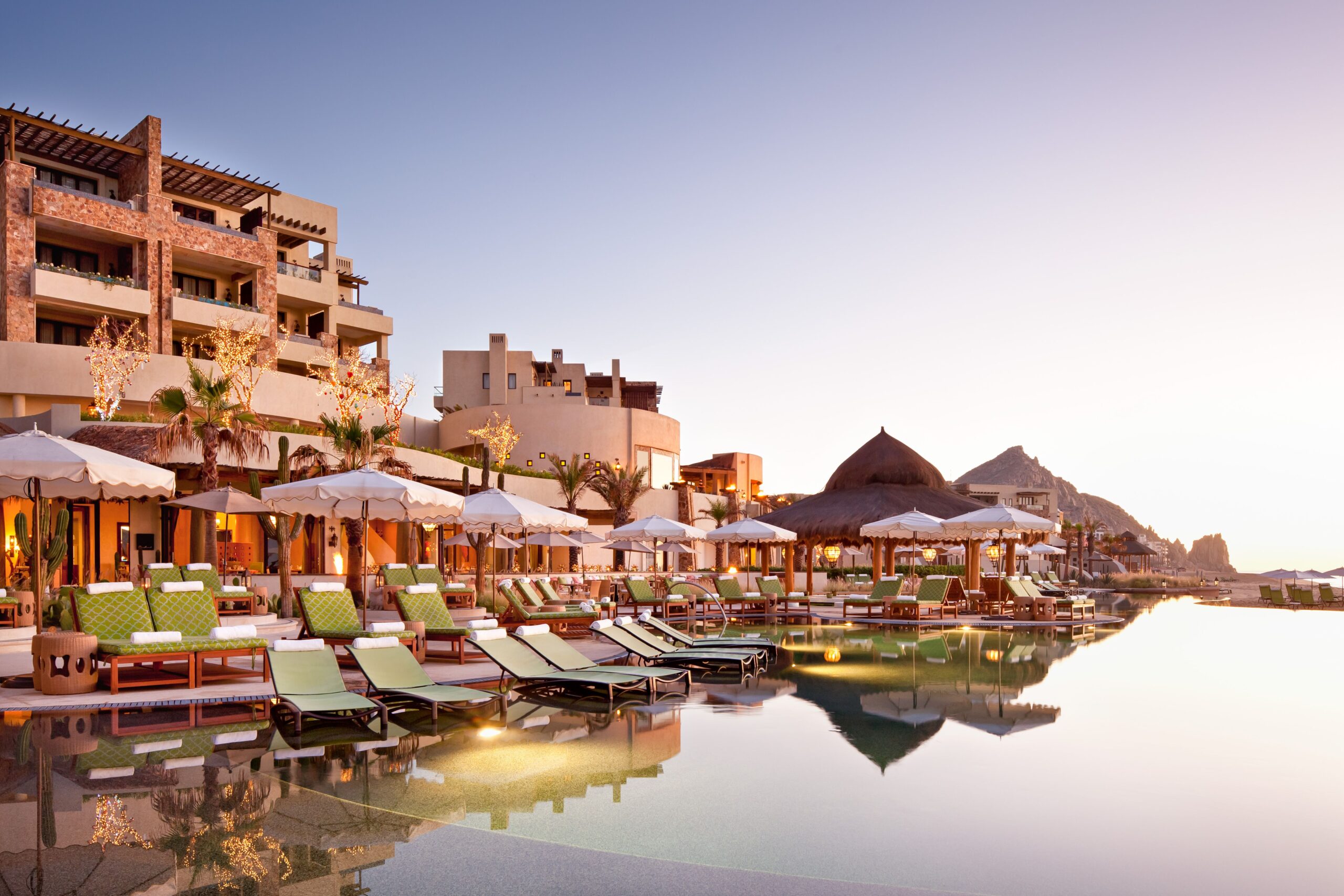
But the real value is harder to quantify. It’s in the stories families tell, the friendships that form, and the sense of continuity that a well-run resort can offer. In a world that often feels transient and unpredictable, the familiarity of a beloved resort becomes an anchor—a place where, for a week or two each year, life feels just right.
Further Reading and Resources
- What are the benefits of returning to familiar places? (The Travel Psychologist)
- The Hidden Perks of Returning to the Same Vacation Destination (Northern Resort)
- The comfort of familiarity: What happens in our minds when we return to familiar places? (Happiful)
