

The Anchor in a Changing World
In the last three decades, the idea of vacation ownership in Mexico has quietly transformed from a niche product for sun-seeking retirees into a central pillar of how families, couples, and even solo travelers structure their leisure lives. Today, as we move through 2026, Mexican resorts are not just a place to visit—they are a travel anchor, a reliable home base in a world that feels increasingly unpredictable.
But why do so many owners, from Canada to Argentina and everywhere in between, keep returning to the same stretch of Riviera Maya sand or the familiar hills above Puerto Vallarta? The answer is not found in glossy brochures or sales pitches. It’s found in the lived rhythms of ownership, the systems that support it, and the emotional comfort that comes from knowing exactly what to expect—year after year.
The Rise of the Anchor: Trends and Shifts
The concept of using a resort as a travel anchor is not new, but its meaning has deepened as the world has changed. In the 1990s and early 2000s, timeshare ownership in Mexico was largely about securing a guaranteed week in paradise. Occupancy rates soared—Los Cabos, for example, boasted 93% occupancy in 2002, with similar numbers in Puerto Vallarta and Quintana Roo. Most owners were older, seeking predictability and value.
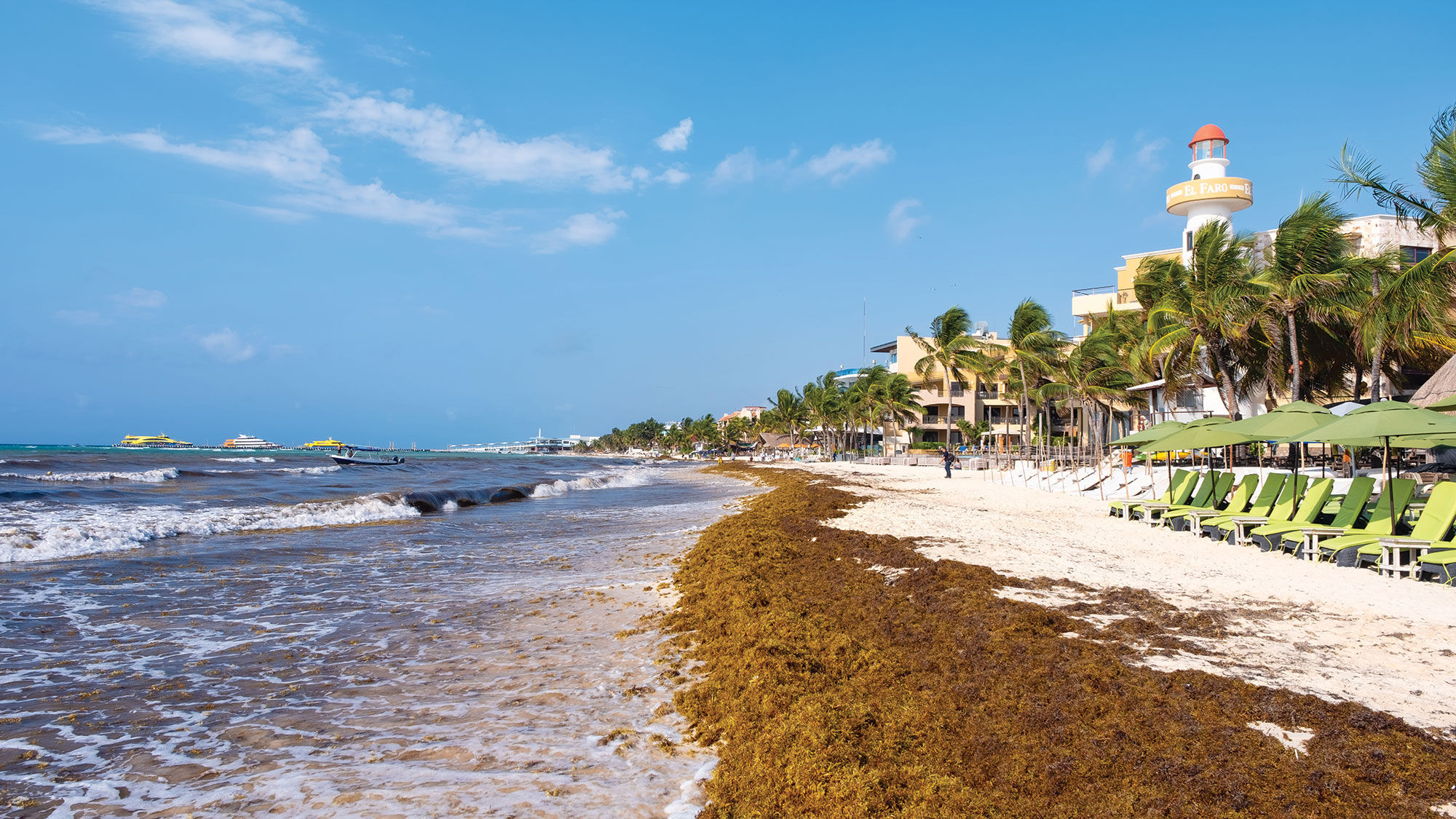
Fast forward to the 2020s, and the landscape has shifted. The rise of points-based systems, flexible vacation clubs, and robust rental programs has made ownership more adaptable. Millennials and younger families are now a growing segment, drawn by the ability to customize their stays, exchange destinations, or even rent out unused intervals. According to industry data, by 2024, 86% of resorts offered rental programs, and nearly 17% of intervals were occupied by renters.
What hasn’t changed is the core appeal: consistency. As one travel consultant put it in a recent interview with Hotel Investment Today,
What you see is what you get. Outside of tipping for services, your trip is paid in full weeks before you even travel.
The Human Story: Why Owners Return
For many owners, the decision to use a Mexican resort as a travel anchor is deeply personal. It’s about more than amenities or even location. It’s about the feeling of arrival—the familiar faces at the front desk, the ease of check-in, the knowledge that the kids’ club staff remember your child’s favorite activity, or that your dog will be greeted by name.
This sense of belonging is not accidental. It is the result of operational systems designed for repeat guests: staff training that emphasizes recognition, owner lounges that foster community, and service flows that anticipate needs before they are voiced. As one industry leader, Andrés Martínez, CEO of the Mexican Caribbean Tourism Board, explained at the EDGE 2025 conference:
We’re combining world-class hospitality with unique experiences. From 13 golf courses to luxury wellness retreats, there’s something for everyone. We need to be really helpful with the inspiration part. As a promotion board, we don’t sell anything.
Andrés Martínez, CEO of the Mexican Caribbean Tourism Board
Consistency Over Novelty: The Power of Familiarity
In an era where travel can feel like a gamble—will the flight be delayed, will the destination feel safe, will the experience match the photos?—the value of a consistent, well-run resort cannot be overstated. Owners know that their suite will be ready, the pool will be clean, and the breakfast buffet will offer both comfort and local flavor.
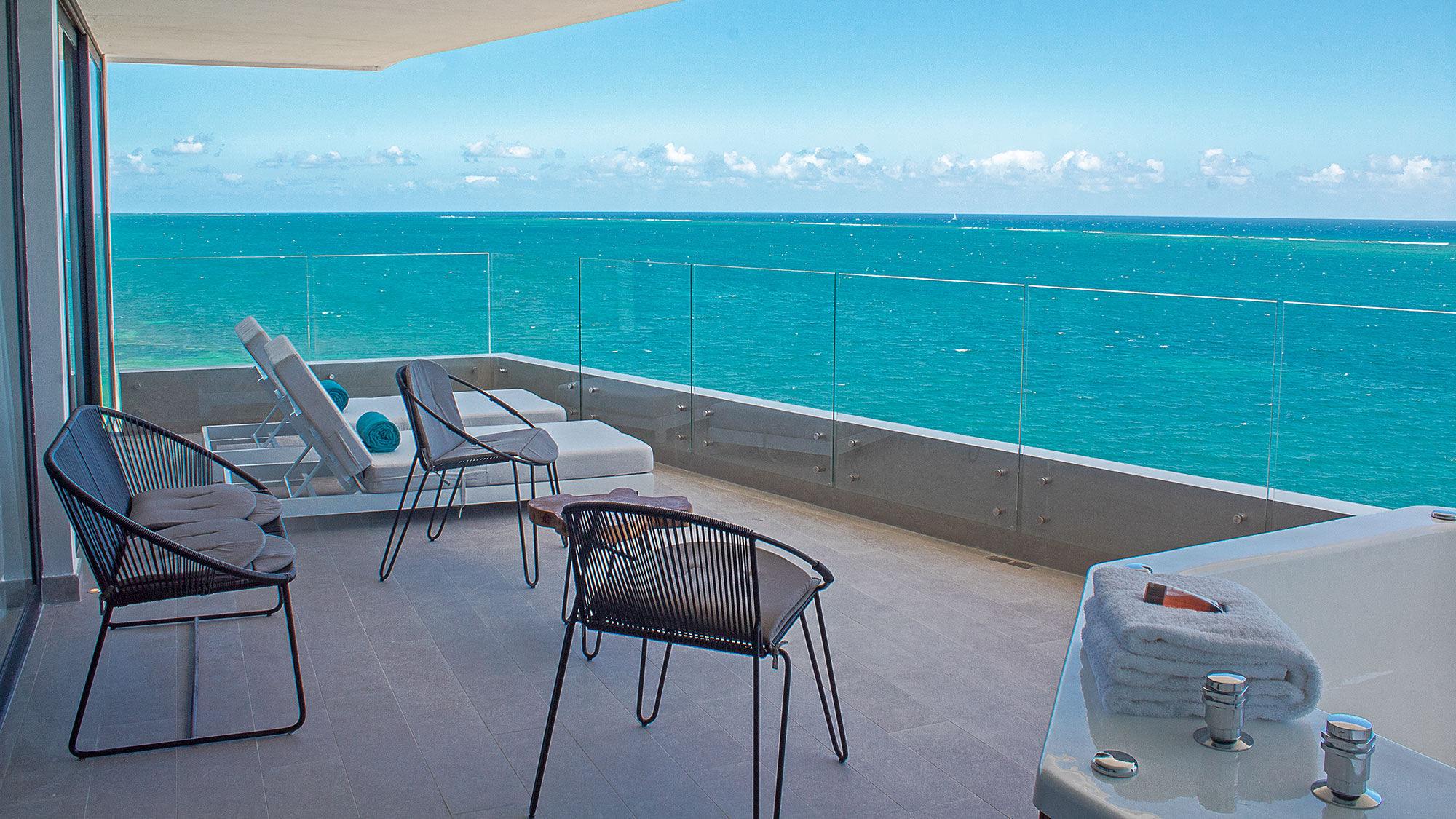
This reliability is not about stasis. Mexican resorts have invested heavily in modernization, from wellness amenities to digital owner portals. But the heart of the experience remains unchanged: a sense of ease, a reduction in friction, and the comfort of returning to a place that feels like a second home.
The Business Behind the Anchor
The business case for using Mexican resorts as a travel anchor is rooted in both operational excellence and regulatory evolution. Since the 1990s, major brands like Wyndham, Marriott, Hilton, and Hyatt have entered the market, bringing global standards and innovative models. Local groups like Villa Group Resorts have also played a key role, focusing on family-friendly experiences and affordable luxury.
The shift from fixed-week timeshares to points-based systems has given owners more flexibility, while robust rental and resale platforms have increased liquidity. Legal reforms—such as enhanced consumer protection laws and crackdowns on scams—have made ownership safer and more transparent. As a result, owner satisfaction has steadily improved, and the market has grown: the global vacation ownership sector is projected to reach nearly $39 billion by 2033.
The Emotional Logic of the Anchor
What truly sets Mexican resorts apart as travel anchors is the emotional logic behind ownership. In a world of endless options and constant change, the ability to return to a place that feels both familiar and welcoming is a rare luxury. Owners are not just buying a week or a set of points—they are investing in a rhythm, a sense of continuity that grounds their travel lives.
As one recent article in TravelHost put it,
Mexico isn’t just opening new doors; it’s showing the world that its warmth, beauty, and hospitality make it a destination to enjoy without worry.
How Owners Use Their Mexican Resort Weeks (2002 vs. 2024)
| Usage Type | 2002 (%) | 2024 (%) |
|---|---|---|
| Personal Use | 34 | ~30 |
| Exchanged/Banked | 46 | ~50 |
| Rented | 3 | ~17 |
| Given Away | 6 | ~5-9 |
| Unused | 11 | ~7-13 |
The Anchor for Families, Couples, and Explorers
For families, the anchor means less decision fatigue—no need to research new destinations or worry about logistics. For couples, it’s a place to reconnect, year after year. For multi-generational groups, it’s a shared tradition, a way to gather across distances and generations.
And for the growing number of pet owners, Mexican resorts have become increasingly pet-friendly, recognizing that ease of travel includes every member of the family.
Looking Ahead: The Anchor in 2026 and Beyond
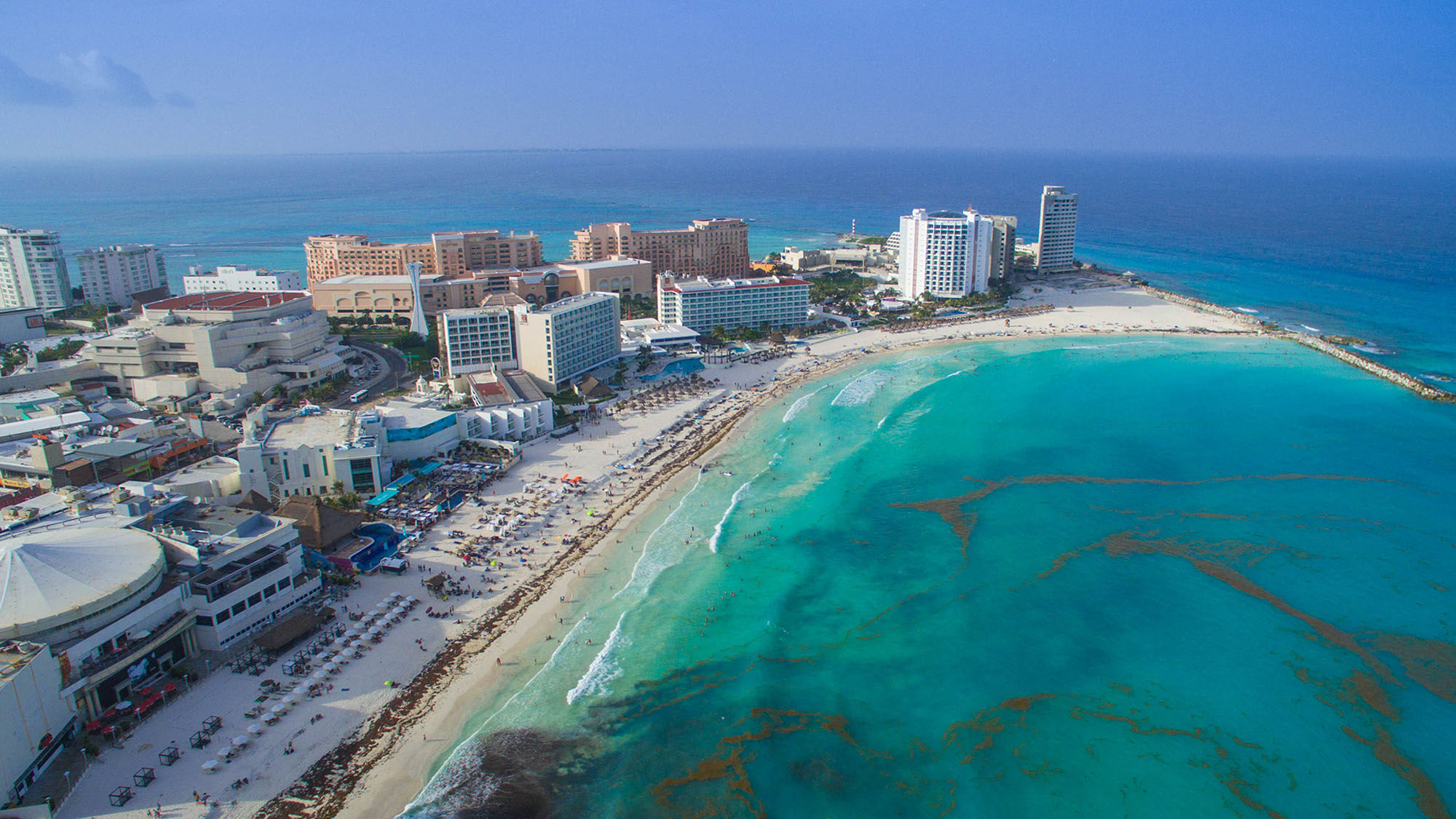
As Mexico continues to invest in infrastructure – new airports, expanded rail lines, and improved connectivity – the role of the resort anchor will only grow. Owners will have more options to explore beyond their home base, but the core appeal will remain: a place to return, to recharge, and to belong.
The future of vacation ownership in Mexico is not about chasing novelty. It’s about deepening relationships—with places, with people, and with the rhythms that make travel feel less like an escape and more like a return.
Further Reading and Resources
- Why Mexico, Caribbean all-inclusives are thriving | Hotel Investment Today
- Mexico emerges as a key travel hub in 2025, fueled by rising demand and expanding global connections | Amadeus
- There is a reason Mexico’s tourism industry is booming right now | TravelHost
- Travel Leaders EDGE 2025 Underscores Mexican Caribbean’s Expanding Opportunities | TravelPulse
- Quintana Roo embarks on luxury transformation for 2025 | Travel Weekly
