

Demand Is Not a Guarantee of Durability
In the hospitality and vacation ownership sector, robust demand is often cited as a primary indicator of asset strength. However, history demonstrates that demand alone is insufficient to secure the long-term durability of resort assets. The underlying capital structure, governance, and incentive alignment play a decisive role in determining whether a property can withstand cycles of stress, adapt to changing market conditions, and maintain operational quality over time.
This article examines why demand, even when strong, does not guarantee asset durability in the timeshare and vacation ownership industry. Drawing on historical evidence, financial research, and industry analysis, we clarify the structural factors that shape outcomes for resorts and their owners.
Capital Structure: The Foundation of Asset Resilience
The durability of a hospitality asset is fundamentally linked to its capital structure. Research from the Toulouse School of Economics highlights that more durable assets, while incurring lower user costs over time, require higher upfront investment and are harder to finance, especially during periods of financial constraint. As noted in The Asset Durability Premium (Jia, Li, Tsou, 2023):
More durable assets incur lower frictionless user costs. Still, they are more ‘expensive’ in the sense that they need more down payments, making them hard to finance. In recessions, firms become more financially constrained and prefer ‘cheaper,’ less durable assets. As a result, the price of less durable assets is less procyclical and, therefore, less risky than that of durable assets.
Jia, Li, Tsou, 2023
In the context of vacation ownership, this means that resorts with weak capital structures—over-leveraged, under-capitalized, or reliant on short-term financing—are especially vulnerable when demand softens or external shocks occur. Even with high occupancy or sales, insufficient reserves and poor debt management can force operators to defer maintenance, underinvest in upgrades, or, in extreme cases, default on obligations.
Historical Stress Periods: When Demand Failed to Protect Assets
The 2008 Financial Crisis
The global financial crisis of 2008 is a clear example of how demand alone could not secure asset durability. As consumer discretionary spending contracted, timeshare sales and occupancy rates declined. Many resorts, particularly those with aggressive financing structures, faced a sharp increase in delinquencies on maintenance fees and loan payments. Operating cash flows were exhausted, and capital reserves proved inadequate.
Deferred maintenance became widespread, leading to accelerated deterioration of facilities. Some legacy resorts became financially unsustainable, with deeded interests becoming difficult to sell or even give away. The crisis exposed the limitations of relying on demand as a safeguard, underscoring the need for disciplined capital management and robust reserve funding.
Natural Disasters and Unforeseen Shocks
Natural disasters—such as hurricanes in Florida or wildfires in California—have repeatedly tested the resilience of resort portfolios. Even in periods of strong demand, unanticipated asset failures and surging insurance costs have strained operating budgets. Resorts lacking sufficient reserves or flexible capital structures have struggled to recover, often deferring repairs or closing entirely. In these cases, demand could not compensate for the absence of financial preparedness.
The COVID-19 Pandemic
The pandemic-induced slowdown of 2020–2021 further illustrated the vulnerability of resorts to sudden demand shocks. Travel restrictions led to a collapse in occupancy and new sales. Maintenance and refurbishment projects were postponed, accelerating the decline of aging facilities. The inability to generate sufficient cash flow forced many operators to underinvest in property upkeep, with long-term consequences for asset quality.
Incentive Alignment and Governance: Sustaining Asset Quality
The alignment of incentives among owners, operators, and investors is critical to sustaining asset durability. In many legacy timeshare models, the separation between ownership and management has led to underfunded reserves and deferred maintenance, particularly as the owner base ages and demand for traditional fixed-week products declines.
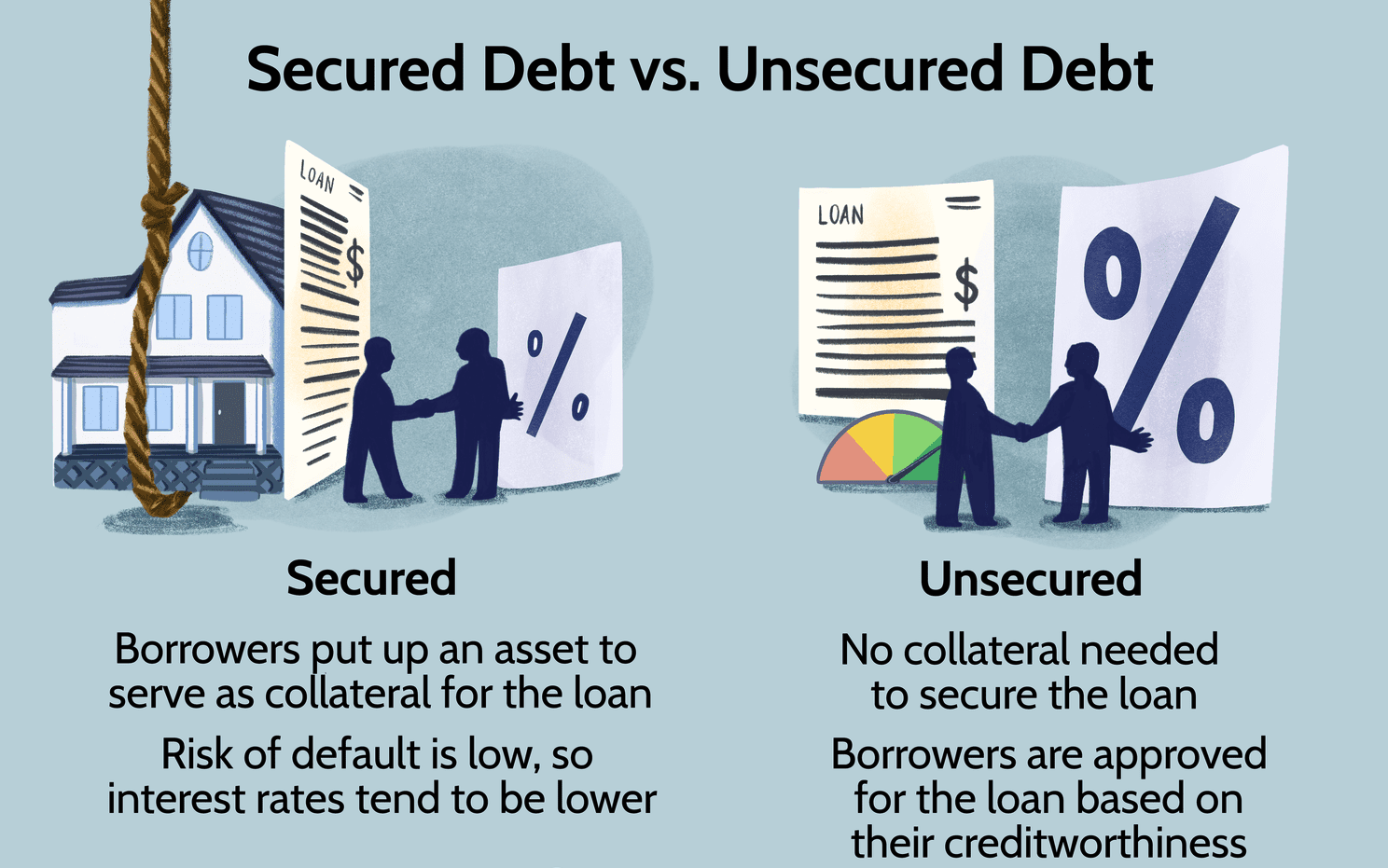
Research on leasing and secured lending in capital-intensive industries (Menichini & Romano, 2025) emphasizes the importance of incentive-compatible contracts that ensure ongoing maintenance and responsible asset use. In the absence of such alignment, resorts may experience a cycle of declining quality, owner dissatisfaction, and eventual financial distress.
Cash Flow Durability vs. Revenue Growth
A common misconception in the industry is the conflation of revenue growth with cash flow durability. While strong sales and high occupancy can generate impressive top-line results, they do not necessarily translate into sustainable cash flows if operating costs, capital expenditures, and reserve funding are neglected.
As highlighted in the CFA Institute’s analysis, No Asset Is Safe—But Some Lose Less (van Vliet, 2025):
Even assets that feel safe—like savings accounts—can expose investors to real, lasting losses. That brings us to a broader point: capital is always at risk. Whether you choose to save or invest, you’re making a bet. Inflation and market volatility are ever-present forces.
van Vliet, 2025
For vacation ownership assets, this means that without disciplined reserve management and proactive capital planning, even periods of strong demand can mask underlying vulnerabilities. Deferred maintenance, underfunded reserves, and aging infrastructure can erode asset value over time, regardless of short-term revenue performance.
Portfolio Strategy and Structural Adaptation
The most resilient resort portfolios are those that adapt their ownership models, financing structures, and governance frameworks to changing market conditions. This includes transitioning from rigid, deeded-week timeshares to more flexible points-based or club models, consolidating underperforming properties, and investing in modernization.
Historical patterns show that operators who proactively restructure their portfolios—through mergers, acquisitions, or capital infusions—are better positioned to weather downturns and sustain asset quality. Conversely, portfolios that rely solely on demand trends without addressing structural weaknesses are more likely to experience cycles of decline and distress.
Lessons from Asset Durability Research
Empirical studies on asset durability premiums (Jia, Li, Tsou, 2023) demonstrate that more durable assets command higher expected returns but are also riskier in the presence of financial constraints. In the timeshare sector, this translates to a need for higher capital discipline and risk management, particularly in markets prone to volatility or external shocks.
The key takeaway is that asset durability is not a function of demand alone. It is the result of deliberate choices in capital allocation, governance, and incentive alignment. Resorts that prioritize these structural factors are more likely to endure cycles of stress and deliver long-term value to owners and investors.
Conclusion: Structural Discipline Over Demand Optimism
The history of the vacation ownership industry is replete with examples where strong demand failed to secure asset durability. Economic downturns, natural disasters, and shifts in consumer preferences have all exposed the limitations of demand-driven models. The enduring lesson is that capital structure, governance, and incentive alignment—not demand alone—determine the long-term resilience of hospitality assets.
For investors, operators, and industry stakeholders, the imperative is clear: prioritize structural discipline over demand optimism. Only by doing so can the sector ensure the sustainability and quality of its assets in the face of inevitable cycles and shocks.
