

Regulatory Standards and Industry Trends: Visiting Mayan Sites During Mexico’s Cooler Months
The cooler months from December to April represent the peak season for tourism in Mexico’s Yucatán Peninsula and Riviera Maya, particularly for visitors seeking to explore Mayan archaeological sites. This period is characterized by comfortable weather, high occupancy rates in resorts, and a surge in demand for cultural and heritage experiences. Behind this seasonal influx lies a robust framework of regulatory standards, site preservation protocols, and evolving business models in the timeshare and vacation ownership industry. This article examines the systems that underpin trust and consistency for travelers, the regulatory milestones that protect Mexico’s archaeological heritage, and the trends shaping owner usage and resort operations during the high season.
Regulatory Oversight of Archaeological Tourism
Mexico’s approach to archaeological tourism is defined by a comprehensive legal and regulatory structure. The General Tourism Law of 2009 established a unified framework for tourism operations, including those at archaeological sites. This law mandates the involvement of federal, state, and municipal authorities in oversight, and created Local Tourism Advisory Councils to ensure input from the private sector, civil society, and academia.
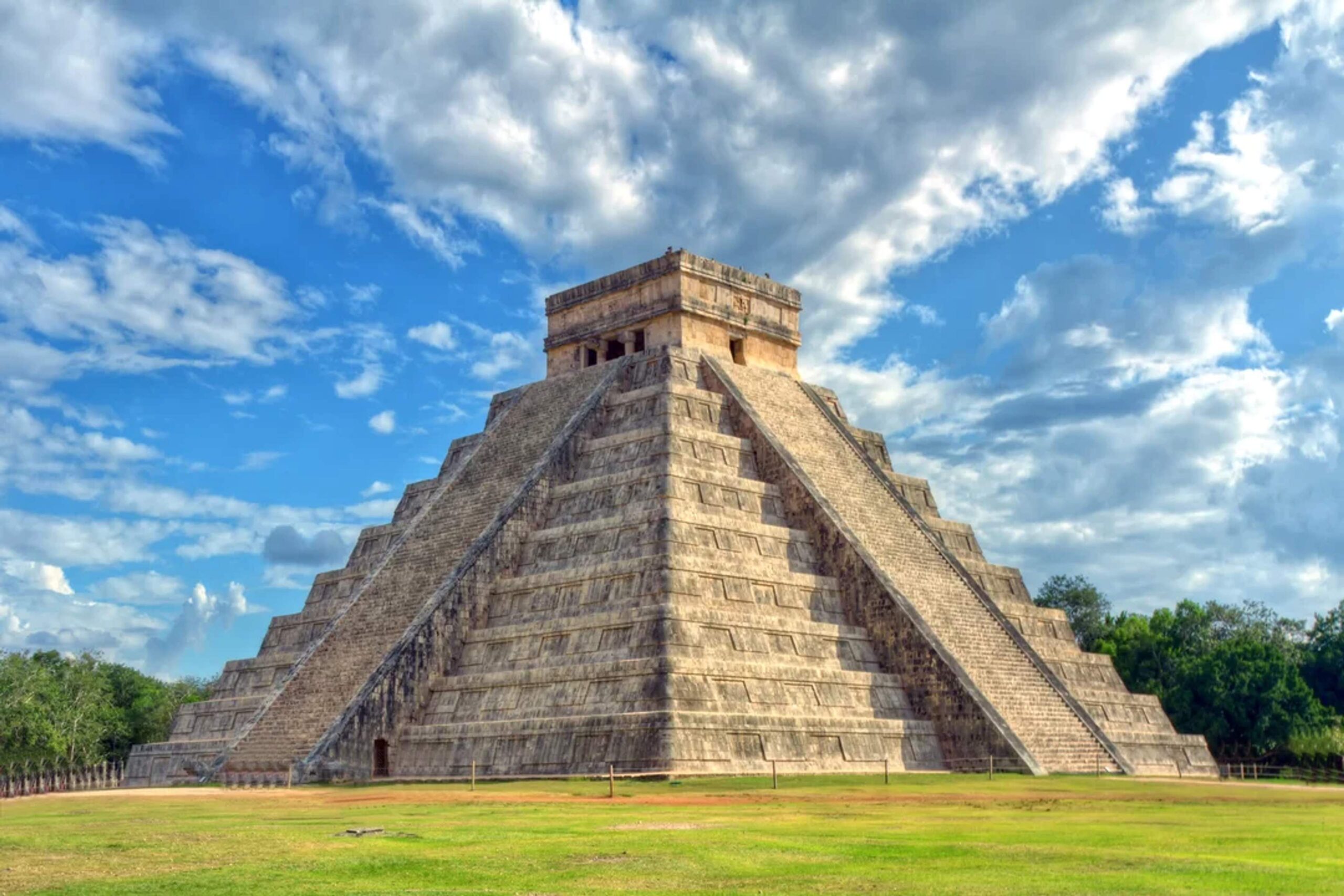
The National Institute of Anthropology and History (INAH) is the federal agency responsible for the protection, research, and management of archaeological sites. INAH enforces strict site-specific regulations, including prohibitions on smoking, touching monuments, graffiti, and disturbing wildlife or vegetation. Controlled access and designated pathways are standard, minimizing visitor impact and ensuring the long-term preservation of sites such as Chichén Itzá, Tulum, and Uxmal.
Environmental legislation, such as recent amendments to the General Wildlife Law, further restricts tourism projects that could exceed the natural carrying capacity of sensitive ecosystems. These measures are particularly relevant in coastal and jungle areas where Mayan sites are located, balancing tourism development with ecological and cultural preservation.
Official Standards and Certification Frameworks
Tourism operations in Mexico are governed by a series of Official Mexican Norms (Normas Oficiales Mexicanas, NOMs), which set compulsory standards for safety, service quality, and liability insurance. Seven NOMs specifically address tourism, including requirements for cultural and archaeological site guides, minimum safety standards for operators, and service levels for site visits.
Compliance with these standards is verified by the Federal Ministry of Tourism or relevant state and municipal authorities. Resorts and tour operators must demonstrate adherence to these norms to maintain their licenses and certifications. This system of oversight ensures that visitors to Mayan sites during the high season encounter consistent service quality and safety protocols, regardless of the operator or location.
Evolution of Timeshare and Vacation Ownership Models
Since the 1990s, Mexico’s timeshare and vacation ownership industry has evolved significantly, driven by the entry of major branded hospitality companies and a shift toward more flexible, consumer-oriented products. The proliferation of timeshare resorts in destinations such as Cancún, Los Cabos, and the Riviera Maya has been accompanied by a growing emphasis on cultural and heritage tourism.
Modern timeshare offerings increasingly integrate authentic local experiences, guided excursions to archaeological sites, and opportunities for cultural immersion. Points-based systems and exchange programs allow owners to tailor their vacations to coincide with peak cultural events and favorable weather conditions, supporting repeat visitation and deeper engagement with Mexico’s heritage.
The industry’s focus on attracting affluent, stable visitors has contributed to high occupancy rates and consistent owner usage, particularly during the cooler months when demand for cultural tourism is at its highest.
Owner Usage Patterns and Occupancy Trends
Historical data indicates that occupancy rates for timeshare and vacation ownership resorts in Mexico have remained robust over the past two decades, often exceeding those of traditional hotels. During the December to April high season, occupancy rates typically reach the high 80s to low 90s percentile, reflecting strong demand from both domestic and international owners.
Owner usage patterns reveal a preference for personal use and exchanges during peak season, with minimal unused inventory. Survey data shows that approximately 34% of nights are used personally, 46% are exchanged or banked, and only 11% are left unused. The majority of owners are married couples with stable, higher-income profiles, supporting consistent utilization and reinforcing the reliability of the timeshare model during the high season.
Site Preservation and Sustainable Tourism Practices
The preservation of Mayan archaeological sites is a central concern for both regulators and industry stakeholders. INAH’s site management protocols, combined with environmental legislation and advocacy from conservation groups, have resulted in stricter standards for site access, visitor behavior, and sustainable tourism development.
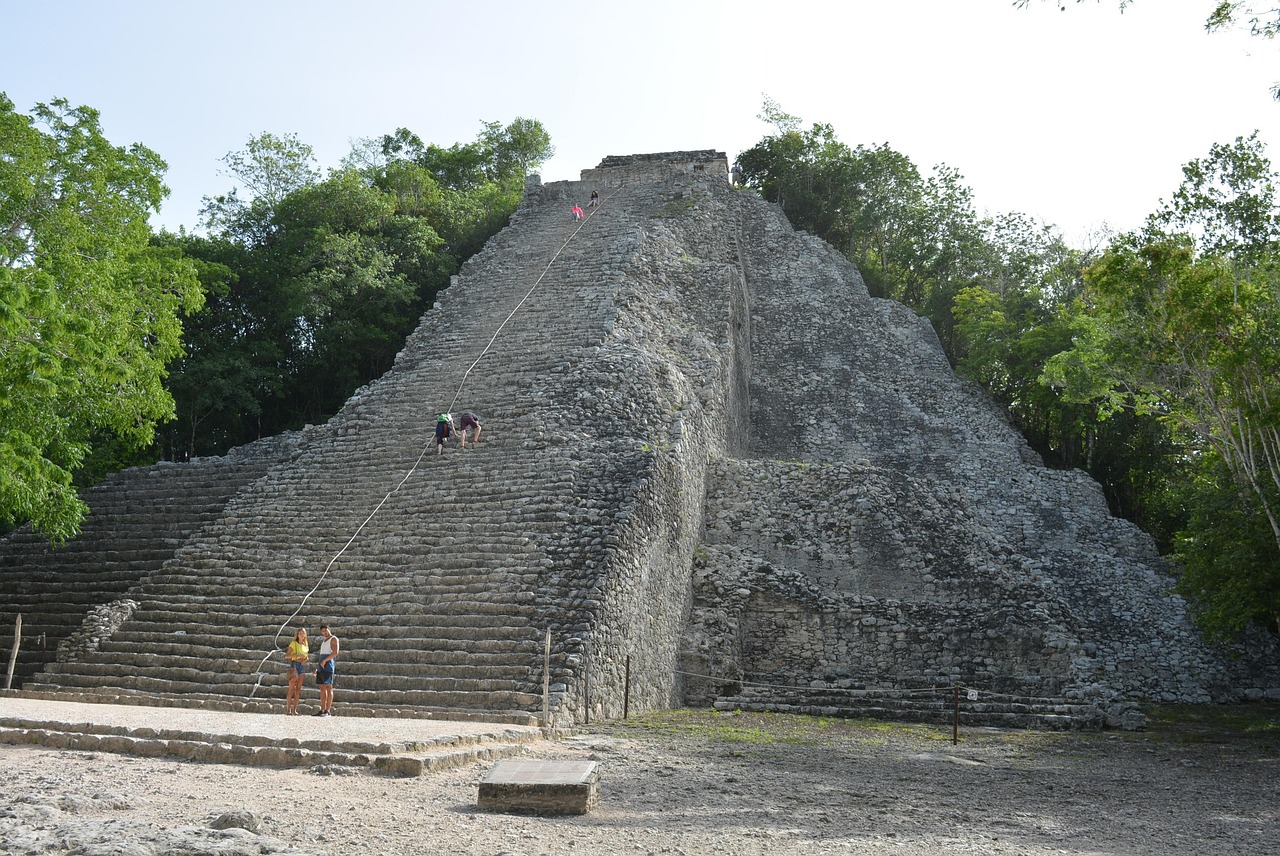
Resorts and tour operators are required to educate guests on site rules, promote responsible visitation, and support conservation efforts. Prohibitions on climbing certain structures, regulated group sizes, and the use of certified guides are standard practices designed to minimize impact and ensure the longevity of Mexico’s archaeological heritage.
Tourism at archaeological sites must be conducted with the utmost respect for cultural and environmental values. Our regulations are designed to protect these irreplaceable resources for future generations.
Dr. Diego Prieto Hernández, Director General, INAH
Economic and Community Impact
The integration of cultural and heritage tourism into timeshare and vacation ownership models has generated significant economic benefits for local communities. Resorts support employment, artisan markets, and local festivals, while guided tours and cultural experiences create additional revenue streams and foster community engagement.
Efforts to balance tourism development with site preservation have led to mixed results in some destinations, highlighting the importance of ongoing adaptation and stakeholder collaboration. The continued evolution of industry standards and regulatory oversight remains essential to sustaining the economic and cultural vitality of Mexico’s tourism sector.
Business Insights: High Season Dynamics and Owner Satisfaction
The cooler months not only represent a period of peak demand but also serve as a proving ground for the effectiveness of Mexico’s regulatory and operational frameworks. High occupancy rates, strong owner satisfaction, and minimal unused inventory during this period are indicative of a mature, well-regulated industry that aligns business objectives with cultural stewardship.
The trend toward more flexible, culturally immersive vacation ownership products reflects a broader shift in consumer preferences and industry strategy. Resorts that successfully integrate heritage tourism into their offerings are better positioned to attract discerning travelers and sustain long-term growth.
Conclusion
Visiting Mayan sites during Mexico’s cooler months is supported by a comprehensive system of regulatory standards, site preservation protocols, and industry best practices. The high season showcases the effectiveness of these frameworks in delivering consistent, reliable, and culturally enriching experiences for travelers. As the timeshare and vacation ownership industry continues to evolve, its alignment with heritage tourism and sustainable development will remain central to its success and to the ongoing protection of Mexico’s archaeological treasures.
Further Reading and Resources
- The Best Time to Visit Yucatán: A Seasonal Guide
- Explore Mayan Ruins from Cancun | Ultimate Travel Guide
- When Is the Best Time to Visit the Riviera Maya?
- Oxtankah Ruins: Our Expert Visitor’s Guide
For institutional perspectives and regulatory updates, see:
