

The Comeback Kids: How Timeshare Defied the Odds
If you’d asked me in 2020 whether the timeshare industry would be thriving in 2025, I might have laughed so hard I’d spill my café de olla. Yet here we are: the global vacation ownership market is not only alive, it’s dancing a salsa—especially in Mexico, where the rhythm never stops.
Let’s take a journey through the numbers, the human stories, and the business pivots that have made timeshare the comeback kid of the travel world. Whether you’re a skeptical investor, a family dreaming of luxury on a budget, or a tourism leader wondering where the next boom will land, this is your backstage pass.
The Numbers Don’t Lie: A Five-Year Snapshot
Let’s start with the scoreboard. According to the latest Vacation Ownership – Timeshare Market Report 2025, the global timeshare market grew from $16.5 billion in 2021 to $22.2 billion in 2025—a 34% leap. The US, Europe, and Mexico are the stars of this show, each with their own plot twists.
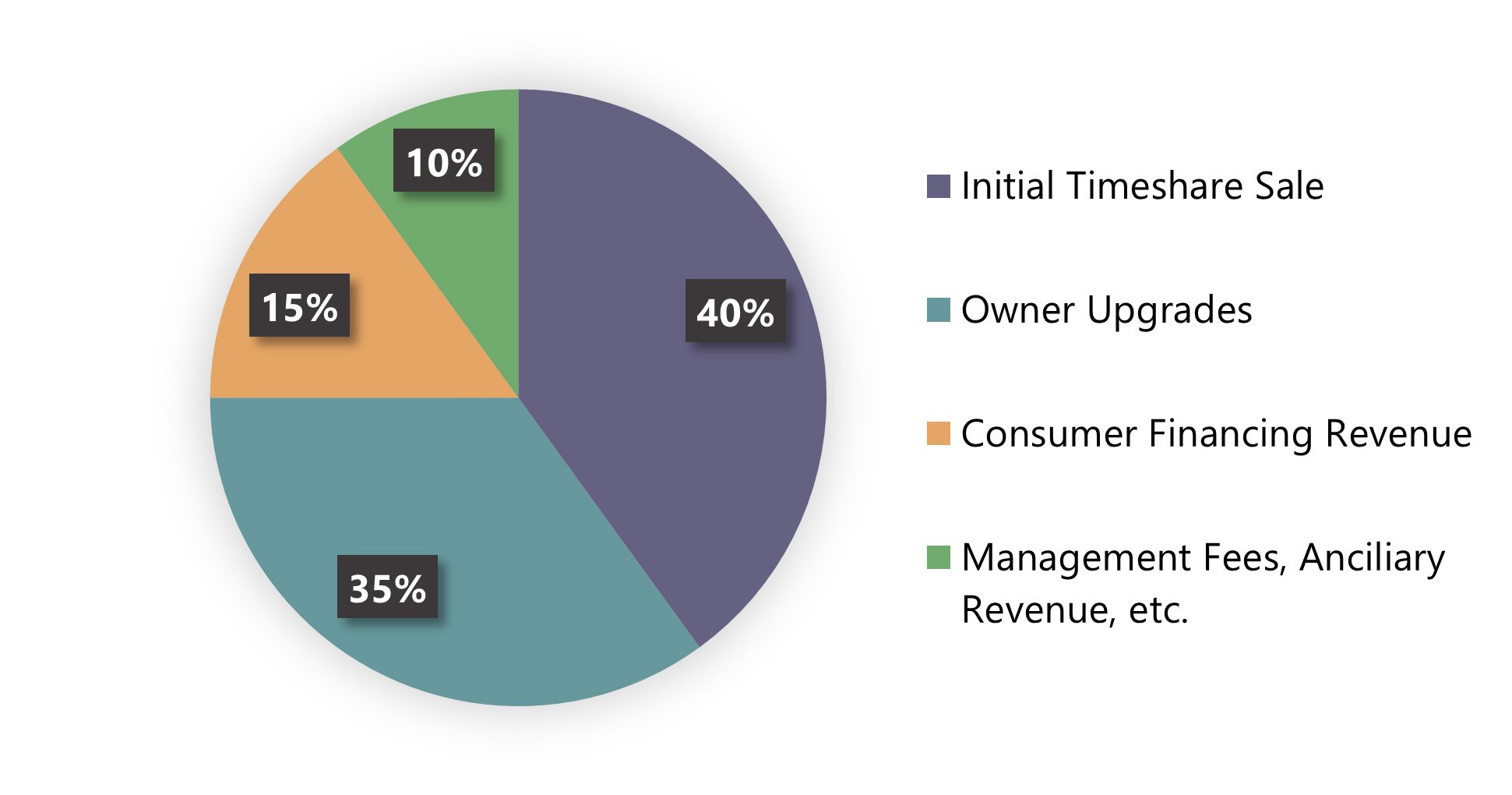
:max_bytes(150000):strip_icc()/timeshare.asp-final-d46d8427a20d4aeda47781603322c423.png)
Time share industry – numbers from the last 5 years in Europe, US and Mexico
| Region | 2021 Sales ($M) | 2025 Sales ($M) | Growth (%) | 2025 Market Share |
|---|---|---|---|---|
| US | 4,826 | 6,234 | +29% | 79% of N. America |
| Europe | 3,706 | 4,842 | +31% | 21.8% of Global |
| Mexico | 515 | 795 | +54% | 10% of N. America |
Source: Cognitive Market Research, 2025
But numbers are just the opening act. The real drama is in how these regions got here.
The US: From Fixed Weeks to Flexible Dreams
The US market has reinvented itself with points-based systems and vacation clubs, letting owners swap a week in Orlando for a ski trip in Colorado or a beach escape in Maui.
The American Resort Development Association (ARDA) reports that by 2023, over 70% of new sales were for flexible products. Occupancy rates at branded resorts soared above 80%, and owner satisfaction hit new highs—except, of course, for those still wrestling with the resale market (a saga worthy of its own telenovela).
Owner satisfaction has generally increased, especially among those with branded timeshares and flexible usage rights. Persistent issues remain around resale value and maintenance fees, but the industry is listening.
ARDA Industry Report, 2023
The pandemic, ironically, gave timeshare a boost. Families wanted safe, predictable escapes. Resorts responded with enhanced cleaning, digital check-ins, and more generous exchange policies. The result? A surge in new, younger owners—many under 40—drawn by the promise of affordable luxury.
Europe: Tradition Meets Transformation
Europe’s timeshare story is a tale of two continents. On one hand, you have legacy resorts in Spain’s Canary Islands and the UK, where aging owner bases and regulatory crackdowns slowed growth. On the other, you have a new wave of club memberships and points-based systems, especially in Germany and France, that are attracting a fresh generation of travelers.
The EU Timeshare Directive, enforced since 2008, continued to shape the market, demanding transparency, cooling-off periods, and a ban on upfront payments before withdrawal periods end. This has weeded out many bad actors, but also made it harder for smaller operators to survive.
Still, the numbers are promising: Europe’s market grew from $3.7 billion in 2021 to $4.8 billion in 2025, with Germany and the UK leading the charge. Satisfaction is highest in branded, well-managed resorts, while legacy properties face challenges with unsold inventory and high maintenance fees.
Europe’s timeshare market is mature, but not stagnant. The shift to clubs and points-based systems is breathing new life into the industry, especially in Northern Europe.
European Timeshare Association, 2024
Mexico: The Fiesta That Never Ends
Now, let’s talk about the real fiesta—Mexico. If the US is the timeshare industry’s brain, Mexico is its corazón. Sales in Mexico jumped from $515 million in 2021 to $795 million in 2025, with Quintana Roo (Cancún and Riviera Maya) accounting for nearly half of all transactions.
What’s behind this boom? Three words: flexibility, hospitality, and confianza. Mexican resorts have embraced club models and flexible use rights, making it easy for owners to vacation when and where they want. The government has cracked down on fraud, requiring clear contracts and giving buyers a cooling-off period—making the process safer for both locals and extranjeros.
Time share industry – numbers from the last 5 years in Europe, US and Mexico
And here’s a little-known fact: Mexico’s timeshare industry is one of the country’s largest sources of foreign currency, second only to oil and remittances. That’s right—every margarita sipped by a timeshare owner helps fund schools, roads, and cultural preservation projects.
The proportion of buyers under 40 has increased, especially among Mexican residents. Satisfaction remains high in branded resorts, but issues persist with non-branded operators and resale difficulties.
AMDETUR (Mexican Timeshare Association), 2024
Stories from the Front Lines
Let’s step away from the spreadsheets for a moment. Meet the García family from Monterrey. In 2022, they bought a points-based timeshare in Playa del Carmen. We wanted our kids to see the ocean every year, but we also wanted to explore new places, says Ana García. Now, we’ve traded weeks for ski trips in Colorado and city breaks in Madrid. It’s like having a llave to the world.
Or consider the case of Linda, a retired teacher from Manchester, who swapped her fixed week in Tenerife for a flexible club membership. I was tired of the same old routine. Now, I can visit Italy in spring or the Algarve in autumn. It’s given me a new zest for travel—and for life.
These stories are echoed across continents. Timeshare, once seen as rigid and old-fashioned, is now a passport to adventure for families, retirees, and millennials alike.
Business Insights: What’s Driving the Boom?
So, what’s fueling this renaissance? Three megatrends:
- Flexibility is King: Points-based systems and vacation clubs have replaced rigid contracts. Owners can travel when and where they want, often with just a few clicks.
- Brand Power: Major hotel chains (Marriott, Hilton, Wyndham) have brought trust, technology, and loyalty programs to the table, raising the bar for service and amenities.
- Sustainability and Community: Resorts are investing in green energy, local sourcing, and community projects. In Mexico, some resorts fund environmental initiatives and cultural festivals—turning vacation ownership into a force for good.
And let’s not forget technology. Virtual tours, digital check-ins, and blockchain-secured contracts are making the buying process smoother than ever. If you want to see how the industry is evolving, check out this YouTube video on the latest timeshare innovations
The Elephant in the Room: Challenges and Controversies
Of course, it’s not all sunshine and palapas. The industry still faces challenges:
- Resale Woes: Many owners struggle to resell their intervals, especially in older resorts. The secondary market remains a jungle, despite efforts to regulate it.
- Maintenance Fees: Rising costs can sour the experience for some owners, particularly in Europe’s legacy properties.
- Reputation Rehab: Decades-old stereotypes about high-pressure sales and inflexible contracts still linger, though transparency and regulation are changing the narrative.
But here’s the twist: the industry is listening. New exit programs, better disclosure, and owner education are helping to rebuild trust. As one industry leader put it,
We’re not just selling vacations—we’re selling peace of mind.
Mexico’s Secret Sauce: A Cultural Note
Did you know that Mexico City has over 300 public markets, many dating back to Aztec times? Just as these mercados have adapted to modern tastes while preserving tradition, so too has Mexico’s timeshare industry. It’s a blend of old-world hospitality and cutting-edge innovation—a recipe that’s winning hearts (and wallets) from Cancún to Cabo.
Table: Timeshare Industry Trends (2019–2024)
| Trend | US | Europe | Mexico |
|---|---|---|---|
| Sales Growth | +29% | +31% | +54% |
| Flexible Ownership | 70%+ new sales | 60%+ new sales | 80%+ new sales |
| Avg. Occupancy Rate | 80%+ | 75% | 85%+ |
| Owner Satisfaction | High (branded) | Mixed | High (branded) |
| Avg. Buyer Age | 40s (falling) | 50s (falling) | 30s–40s (falling) |
Hasta Mañana
The timeshare industry has weathered storms, reinvented itself, and emerged stronger than ever. Whether you’re sipping tequila in Cancún or hiking the Alps on a club exchange, vacation ownership is no longer just for the wealthy or the risk-takers—it’s for anyone who wants to live life like the rich, without breaking the bank.
Curious to see more? Dive into these resources:
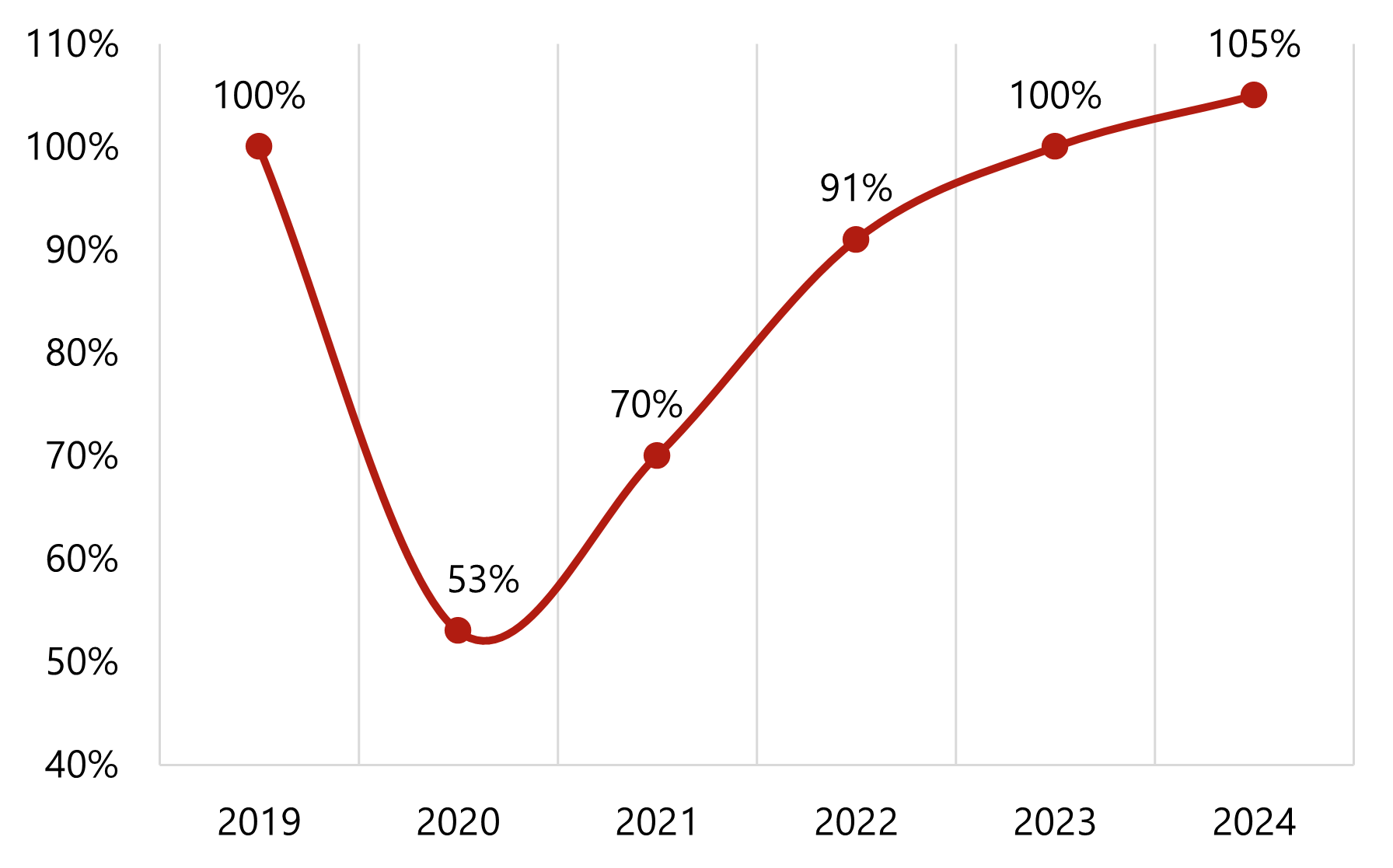
Time share industry – numbers from the last 5 years in Europe, US and Mexico
