

If you’ve ever strolled the sun-drenched promenades of Cancún or sipped a margarita in Los Cabos, chances are you’ve been invited—sometimes with the promise of a free breakfast, sometimes with the allure of a “once-in-a-lifetime” deal—to a timeshare presentation. For many, the word timeshare conjures images of high-pressure sales, endless fees, and contracts as tangled as a bowl of fideos. But amigos, let’s break open the piñata of myths and see what’s really inside. As someone who’s seen the industry from every angle—developer, owner, consultant, and, yes, taco enthusiast—I’m here to tell you: the story of timeshare in Mexico is far richer, more flexible, and more joyful than you’ve been led to believe.
Myth #1: Timeshares in Mexico Are All Scams
Let’s get this out of the way: Yes, there have been bad actors in the past. And yes, you should always do your due diligence—just as you would before biting into a suspiciously cheap street taco. But painting the entire Mexican timeshare industry as a scam is like saying all tequila is rotgut. In reality, Mexico’s timeshare sector is one of the most regulated in the world, with consumer protections that rival those in the U.S. and Europe.
Mexican law grants buyers a five-day “cooling-off” period to cancel any timeshare contract, no questions asked. This derecho cannot be waived, no matter what a pushy vendedor might claim. And if you ever feel you’ve been misled, the federal consumer protection agency, PROFECO, is there to mediate disputes and enforce your rights (source).

Reputable developers operate transparent, high-quality products. Modern contracts are clear, and owners enjoy genuine vacations and investment benefits.
José, VacationIndustryDigest.com
Of course, scams do exist—especially in the resale market. If someone offers to buy your timeshare for double what you paid, asks for upfront fees, or claims to be a government official needing “processing” money, run faster than a chihuahua at bath time (source).
Myth #2: You’re Locked Into the Same Week, Same Place, Forever
This myth is as outdated as a mariachi’s mustache wax. The days of rigid, fixed-week contracts are largely gone. Today, most Mexican timeshares operate on points-based or floating-week systems, giving you the flexibility to travel when and where you want. Want to spend Semana Santa in Puerto Vallarta this year and Christmas in Cabo next? ¡Claro que sí!
Modern vacation clubs let you bank, borrow, or exchange your points for stays at hundreds of resorts worldwide. You can even split your time—three nights here, four nights there—like choosing your favorite taco toppings. And if you don’t use your points one year, many programs let you roll them over for a more extravagant trip next time (source).
Contrary to the traditional fixed-week timeshare, the points system allows timeshare owners to buy a fixed number of points annually. These points serve as a currency, which can then be exchanged for an accommodation of your choice, at a time of your choosing, at one of the hotels and resorts within your timeshare club, depending on availability.
Club Wyndham Asia
Myth #3: Maintenance Fees Are a Never-Ending Nightmare
Ah, the infamous cuotas de mantenimiento. Yes, maintenance fees exist, and yes, they can increase over time—just like the price of avocados. But here’s the truth: these fees fund the upkeep of your resort, from sparkling pools to lush gardens to the friendly staff who remember your name (and your favorite mezcal). Transparent contracts spell out exactly what you’ll pay, and reputable developers are upfront about annual adjustments.
What’s more, many owners find that the value they receive—spacious suites, resort amenities, and the ability to host family and friends—far outweighs the cost. And if you ever can’t use your week, you can often rent it out or gift it to someone else, offsetting your expenses (source).
Myth #4: Timeshares Are Impossible to Exit
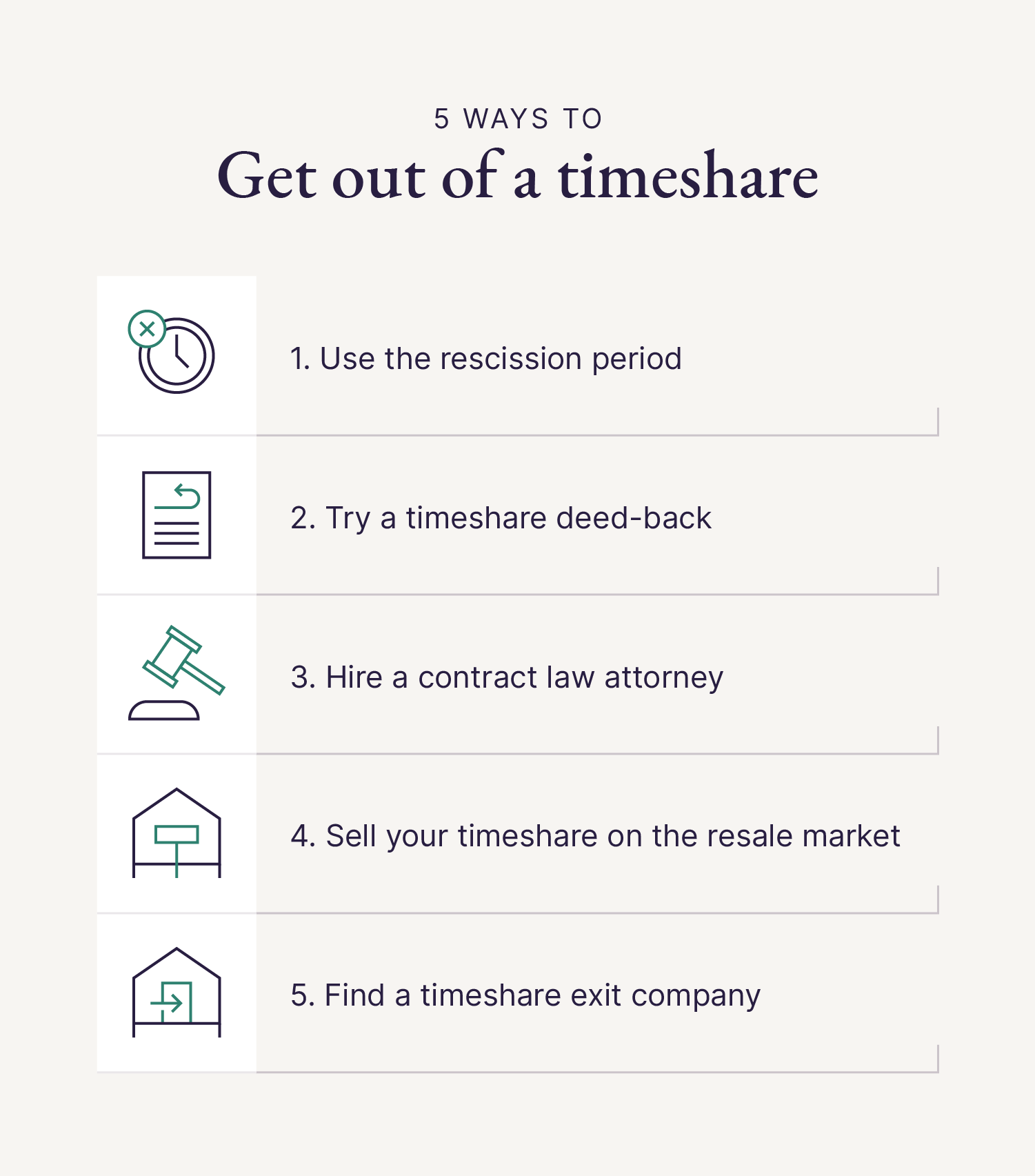
This myth is stickier than cajeta on a hot day. While it’s true that timeshare contracts are legally binding, the idea that you’re trapped “forever” is simply not true. Modern contracts in Mexico often have defined terms—10, 20, or 30 years—after which your obligations end. Many clubs also allow you to sell, gift, or bequeath your membership, and some even offer exit programs for owners whose circumstances have changed.
The key is to buy from established, reputable companies and to read your contract carefully. If you ever need to exit, consult a local attorney or reach out to PROFECO for guidance (source).
Myth #5: Timeshares Don’t Benefit Local Communities
This one couldn’t be further from the truth. Timeshare resorts are economic engines for Mexico’s tourism hubs, providing stable, year-round employment, supporting local suppliers, and funding community projects. In fact, many resorts in places like Cancún and Los Cabos have built schools, sponsored environmental initiatives, and helped preserve cultural traditions.
Five Myths About Buying Timeshare in Mexico
Here’s a little-known fact: the town of Tequila, Jalisco—yes, the birthplace of the famous spirit—has seen a tourism renaissance thanks in part to vacation ownership programs that bring repeat visitors eager to explore beyond the beach. Timeshare owners tend to return year after year, forging relationships with local businesses and investing in the community’s long-term success.
Timeshare resorts can revitalise local economies by providing stable employment, attracting repeat visitors and supporting community projects.
José, VacationIndustryDigest.com
The Evolution of Timeshare in Mexico: A Brief History
Let’s take a quick stroll down memory lane. In the 90s, Mexican timeshares were mostly sold to North Americans seeking affordable beach escapes. Contracts were rigid, and the industry was still finding its feet. But after the 1994 peso devaluation, Mexican buyers re-entered the market, and the sector exploded. By the early 2000s, the number of resorts in Quintana Roo had doubled, and major international brands brought new levels of professionalism and trust.
Today, the average buyer is younger, more tech-savvy, and looking for flexibility. Points-based systems, digital booking, and global exchange networks have transformed the experience. And owner satisfaction? Surveys show that Mexican owners, in particular, report increased happiness, health, and family communication thanks to their vacation ownership.
| Year | Notable Trend | Impact |
|---|---|---|
| 1990s | Fixed-week contracts, mostly U.S. buyers | Limited flexibility, slow growth |
| 2000s | Entry of major brands, points systems | Rapid expansion, increased trust |
| 2010s | Younger buyers, digital platforms | Greater flexibility, higher satisfaction |
| 2020s | Community investment, sustainability | Stronger local impact, global appeal |
Real Stories, Real Joy
Let me tell you about the García family from Monterrey. They bought their first timeshare in Puerto Vallarta in 2005, worried they’d be stuck vacationing in the same place every year. Fast forward to 2025: they’ve used their points to explore Oaxaca’s culinary scene, snorkel in Cozumel, and even swap for a ski week in Colorado. Their kids have grown up with a sense of adventure—and a love for mole that rivals their abuela’s.
Or consider the case of Ana, a single professional from Guadalajara, who uses her timeshare to host annual reunions with friends in different Mexican beach towns.
It’s not just a vacation. It’s a tradition. We’ve made memories in places I never would have discovered on my own.
Ana
