

The New Habit of Going Back — and Going Further
For many, travel is a fleeting escape—a week carved out of a busy year, a brief pause before routines resume. But for a growing number of families, couples, and solo explorers, travel is not a break from life; it is a rhythm that shapes it. At the heart of this shift is vacation ownership, a model that has quietly evolved from rigid contracts to a flexible, deeply human way of making travel a lasting habit.
Today, as we move through 2026, the story of vacation ownership is less about sales pitches and more about the lived experience of returning, reconnecting, and building a travel legacy. Let’s explore how this industry, once seen as inflexible, now supports long-term travel habits—grounded in real trends, human stories, and the systems that make it all possible.
From Fixed Weeks to Flexible Journeys: A Brief History
The timeshare industry of the 1990s was defined by fixed weeks and fixed places. Owners returned to the same resort, the same unit, at the same time each year. While this model offered predictability, it often lacked the flexibility modern travelers crave.
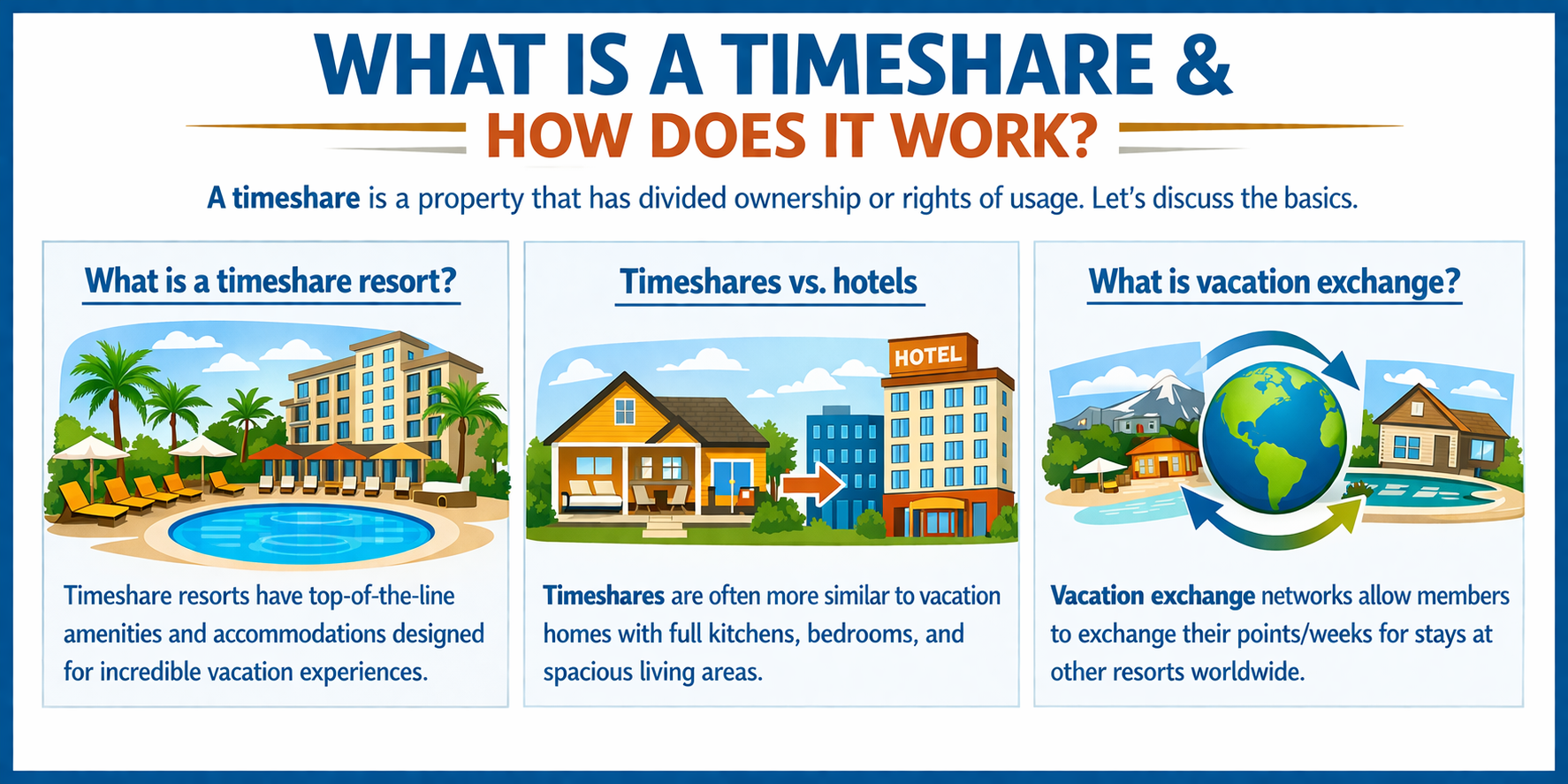
The introduction of points-based systems in the late 1990s and early 2000s changed everything. Suddenly, owners could use their points to book different destinations, lengths of stay, and even split their vacations across multiple trips. Exchange platforms like RCI and Interval International expanded these options globally, allowing owners to trade their time for new experiences.
This evolution was not just about convenience—it was about making travel a repeatable, adaptable part of life. As one industry leader put it:
Families are recognizing that vacation ownership offers more than just a place to stay—it provides a dependable framework to explore new places, reconnect, and make travel a consistent part of life.
Travis Bary, Co-President of Capital Vacations
The Numbers Behind the Habit: Owner Satisfaction and Usage
Recent data paints a clear picture: timeshare owners are not just satisfied—they are among the most active travelers. According to the American Resort Development Association (ARDA), nearly 70% of owners who plan to take more vacations this year will spend more time at their timeshare or affiliated resort. In fact, timeshare owners are outpacing general leisure travelers in both the frequency and length of their vacations.
A 2022 industry report found that 90% of owners are satisfied with their timeshare, and 84% would purchase again. This satisfaction is not accidental; it is the result of decades of industry adaptation, legal reforms, and a focus on owner experience.
The Human Side: Stories of Return and Belonging
Vacation ownership is not just about statistics; it is about the stories that unfold year after year. Consider the family who returns to the same resort in Puerto Vallarta each spring, greeted by staff who remember their children’s names and favorite breakfast orders. Or the retiree who uses points to explore new corners of Mexico, knowing that each stay comes with the comfort of a familiar standard.
One owner, Cliff B., describes his approach to long-term travel:
I travel periodically for six months at a time. I rented out my house, so this is my home — this week and next week. My kids keep a calendar called ‘Where’s Cliff?’ to track my journey. I’ve been with Hilton Grand Vacations for at least 10 years now, and it’s allowed me to build a travel lifestyle that feels both adventurous and grounded.
Cliff B., Hilton Grand Vacations Owner
These stories are echoed across the industry. Owners are not just booking rooms—they are building traditions, celebrating milestones, and creating a sense of belonging that hotels rarely match.
The Business of Consistency: Why Ownership Works
Behind every seamless check-in and every familiar face is a system designed for consistency. Resorts invest heavily in staff training, operational standards, and technology to ensure that each stay meets expectations. This operational backbone is what transforms a transaction into a relationship.
The pre-paid nature of vacation ownership also plays a crucial role. With annual maintenance fees and a commitment to return, owners are more likely to prioritize travel, plan ahead, and make the most of their time away. This “ownership mindset” turns vacationing from a luxury into a habit.
As Jason Gamel, President & CEO of ARDA, explains:
The pre-paid nature of the timeshare product means owners are more likely than other travelers to prioritize their vacations. With nearly 80% of timeshare owners traveling without a loan balance, they are even outpacing their own active travel habits year-over-year.
Jason Gamel, ARDA President & CEO
Flexibility for Modern Life: Families, Remote Work, and Pet-Friendly Stays
Today’s vacation ownership is designed for real life. Flexible booking systems allow families to adjust travel dates around school schedules, work commitments, and even last-minute changes. Many resorts now offer pet-friendly accommodations, kids’ clubs, and amenities that support multi-generational travel.
Millennials and Gen Z are embracing ownership in new ways, often using their timeshare as a base for remote work or extended stays. According to recent research, 57% of timeshare owners are Millennials or Gen Z, reflecting a shift toward younger, more tech-savvy travelers who value both flexibility and quality.
Legal Protections and Consumer Confidence
The industry’s reputation has not always been spotless. In the past, high-pressure sales tactics and unclear contracts led to skepticism. However, significant legal and regulatory reforms since the 1990s have transformed the landscape. States like Florida pioneered consumer protection laws, mandating transparency, cooling-off periods, and clear disclosures.
The result is a more transparent, trustworthy environment where owners know their rights and can make informed decisions. This legal foundation has been essential in building the confidence that underpins long-term travel habits.
The Emotional Payoff: Travel as a Life Pattern
What does it feel like to return to a place that remembers you? To know that, no matter how busy life becomes, there is always a week—or a month—set aside for rest, adventure, or simply being together? This is the emotional core of vacation ownership.
Owners describe a sense of anticipation that builds each year, a comfort in the familiar, and a joy in discovering new destinations without the stress of uncertainty. For many, ownership is not about luxury—it is about the ease and reliability that make travel a sustainable, lifelong habit.
Resources and Further Reading
- A Smarter Way to Travel: Why More Families Are Turning to Vacation Ownership (EIN Presswire)
- Timeshare Owners Are Planning More Frequent and Longer Summer Vacations in 2025 (ARDA)
- Benefits of Timeshare Include Making Travel Dreams a Reality (Hilton Grand Vacations)
- Timeshares and Millennial Travel Habits (SellMyTimeshareNow)
- Vacation Ownership and its Positive Effects on Life (Exploria Resorts)
Final Thoughts
Vacation ownership is not a promise of perfection. It is a system—refined over decades—that supports the real rhythms of travel and life. For those who value consistency, flexibility, and the comfort of return, it offers a way to make travel not just a dream, but a habit that endures.
As we look ahead, the story of vacation ownership is still being written—one return, one reunion, one new adventure at a time.