

The New Rhythm of Family Travel
It’s a scene I’ve witnessed countless times: a family arrives at a Mexican resort, luggage in tow, faces marked by the fatigue of travel and the anticipation of escape. Within days, their routines soften. Children find their favorite corners of the pool, parents discover the quiet pleasure of a morning coffee on the balcony, and grandparents settle into the gentle cadence of shared meals and unhurried afternoons. This is not just a vacation—it’s a lived experience, a temporary home, and for many, the heart of what modern timeshare and vacation ownership has become.
Long stays inside resort environments are no longer the exception. They are the new standard for families seeking more than a fleeting getaway. Today, families are not just passing through resorts—they are inhabiting them, weaving their own stories into the fabric of these carefully designed spaces.
From Short Escapes to Extended Living
Historically, timeshare ownership was built around the idea of a fixed week—a predictable, annual escape. But as family travel has evolved, so too have the models that support it. Since the 1990s, the industry has shifted toward flexibility, with points-based systems and exchange networks allowing families to choose when, where, and how long they stay. This evolution has been especially pronounced in Mexico, where timeshare resorts now account for over 12% of all tourism accommodations and consistently outperform hotels in occupancy rates—averaging 76% compared to hotels’ 49.6%.
What does this mean for families? It means the ability to settle in, to unpack both suitcases and routines, and to experience a destination not as a tourist, but as a temporary resident. The amenities—full kitchens, laundry facilities, spacious living areas—are not just conveniences; they are enablers of daily life.
Designing for Every Generation
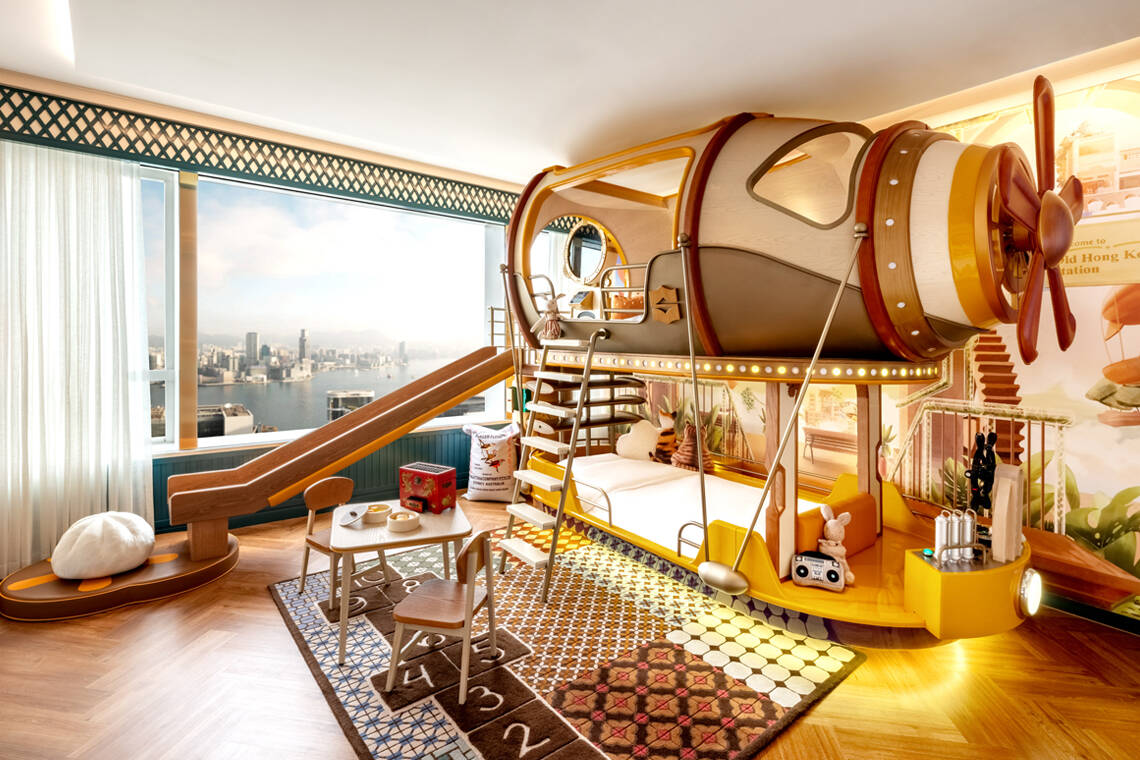
The modern resort is a study in thoughtful design, shaped by the needs of families who stay not for days, but for weeks. As highlighted in recent industry insights, resorts are increasingly intentional about creating spaces for every age group. Children’s clubs offer sensory-friendly play areas and interactive learning zones, while teens find independence in dedicated lounges and adventure programs. Parents and grandparents are not left behind; wellness centers, quiet gardens, and flexible dining options ensure that every member of the family finds their own rhythm.
“Family travel to resort and hotels is increasing and operators are responding to maximize the guest experience. At OZ, we are implementing thoughtful design strategies for spaces tailored to specific age groups or for spaces with multi-generational activities.”
Source: OZ Architecture
This approach is not just about amenities—it’s about removing friction. Clearly marked schedules, personalized in-room touches, and pet-friendly accommodations all contribute to a sense of ease that allows families to focus on what matters: time together.
The Emotional Landscape of Long Stays
What truly distinguishes a long stay is the emotional arc it enables. The first days are often marked by exploration and novelty, but as the week stretches into two or three, a deeper comfort sets in. Children form friendships at the kids’ club, teens gain a measure of independence within the safe boundaries of the resort, and parents rediscover the pleasure of unhurried mornings.
A recent family’s experience at an all-inclusive resort in Jamaica, as reported by Business Insider, illustrates this beautifully:
“All of our meals and activities were steps away from our accommodations, so I didn’t have to spend time researching where to go or mapping out routes to get there… My teens were independent and met other kids, plus all-inclusive meant they didn’t ask me for money.” — Christina Valhouli
Source: Business Insider
Decision fatigue fades, replaced by a gentle routine. Meals become moments of connection rather than logistical challenges. The resort’s ecosystem—pools, clubs, dining, and wellness—becomes the backdrop for a family’s own story.
The Business of Belonging
For resorts, the rise of long-stay family travel is both an opportunity and a challenge. The economic impact is clear: in Mexico alone, timeshare sales reached $1.153 billion in 2002, with growth rates averaging nearly 11% annually. Resorts in destinations like Los Cabos and Puerto Vallarta now generate more than half of all occupied nights from timeshare units.
But the true value lies in loyalty. Families who experience seamless, multi-generational stays are more likely to return—and to recommend the experience to others. According to the American Resorts Development Association, 85% of timeshare owners report satisfaction with their ownership, and nearly 60% say it has increased the amount of time they spend on vacation.
This loyalty is built not on novelty, but on consistency. As one industry leader put it:
“The fewer decisions owners have to worry about, the more they relax—and the more likely they are to return.”
Trends Shaping the Future
Several trends are shaping how families experience long stays in resort environments:
- Multi-Generational Travel: More families are traveling with grandparents, parents, and children together, driving demand for larger units and diverse programming.
- Wellness and Flexibility: Resorts are investing in wellness centers, flexible dining, and outdoor activities that appeal to all ages.
- Pet-Friendly Policies: As families increasingly travel with pets, resorts are adapting with dedicated pet zones and allergen-free rooms.
- Personalization: From in-room amenities to curated local experiences, resorts are finding ways to make long stays feel personal and memorable.
These trends are not just responses to market demand—they are reflections of how families want to live, even temporarily, when they travel.
A Day in the Life: The Flow of a Long Stay
To understand the lived reality of a long stay, consider a typical day for a family in a Mexican resort:
- Morning: Parents enjoy coffee on the balcony while children join a supervised breakfast at the kids’ club. Grandparents take a gentle yoga class.
- Midday: The family reunites for a poolside lunch, then splits up—teens head to the game lounge, younger children join a craft workshop, and adults relax at the spa.
- Afternoon: Everyone gathers for a guided nature walk or a cooking class featuring local cuisine.
- Evening: Flexible dining options mean no rush—families can eat together or separately, and nightly entertainment brings everyone back together before bed.
This rhythm, repeated over days and weeks, transforms a resort stay from a series of activities into a lived experience.
Historical Perspective: How Far We’ve Come
The journey from rigid, fixed-week timeshares to today’s flexible, family-centric resorts is a testament to the industry’s ability to adapt. In the 1980s and 1990s, timeshare ownership was often seen as restrictive. Today, with points-based systems, exchange networks, and a focus on multi-generational needs, ownership is about possibility and ease.
Occupancy rates, owner satisfaction, and economic impact all point to a model that works—not just for resorts, but for the families who call them home, if only for a while.
:max_bytes(150000):strip_icc()/TAL-kona-village-USFAMRESORTS0425-9c1e14eb865b4ed4bfff798a5a4c56b1.jpg)
The Takeaway: Home Is Where the Rhythm Is
For families, the value of a long stay in a resort environment is not measured in amenities alone, but in the ease, connection, and sense of belonging that emerges over time. The best resorts understand this, designing not just for comfort, but for the rhythms of real life.
As we look ahead, the future of family travel in timeshare and vacation ownership will be shaped by those who recognize that hospitality is not just about service—it’s about creating a space where families can simply be.
