

The New Gold Standard: Why Savvy Investors Are Flocking to Vacation Ownership
Picture this: It’s a golden afternoon in Cabo San Lucas. The sun is dipping behind the arches, the ocean breeze is perfumed with salt and lime, and you’re not just a visitor—you’re an owner. Not of a lonely, often-empty second home, but of a slice of paradise that works for you, your family, and your portfolio. Welcome to the world of vacation ownership, where the returns are measured not just in pesos or dollars, but in memories, flexibility, and community impact.
If you’re still thinking of real estate investment as a game of “buy, hold, and hope,” it’s time to wake up and smell the café de olla. The timeshare and vacation ownership industry has quietly evolved into one of the most dynamic, resilient, and rewarding sectors in global real estate. And amigos, the numbers—and the stories—are too compelling to ignore.
From Fixed Weeks to Flexible Dreams: How the Model Has Changed
Let’s start with a little history—don’t worry, I promise not to make it as dry as a tortilla left out in the Yucatán sun.
Investors Take Note: Why Vacation Ownership Outperforms Traditional Real Estate
Back in the 1990s, timeshare ownership was about as flexible as a mariachi in a marching band: you bought a fixed week, in a fixed unit, at a fixed resort. But as travelers demanded more freedom, the industry responded with innovation worthy of a telenovela plot twist.
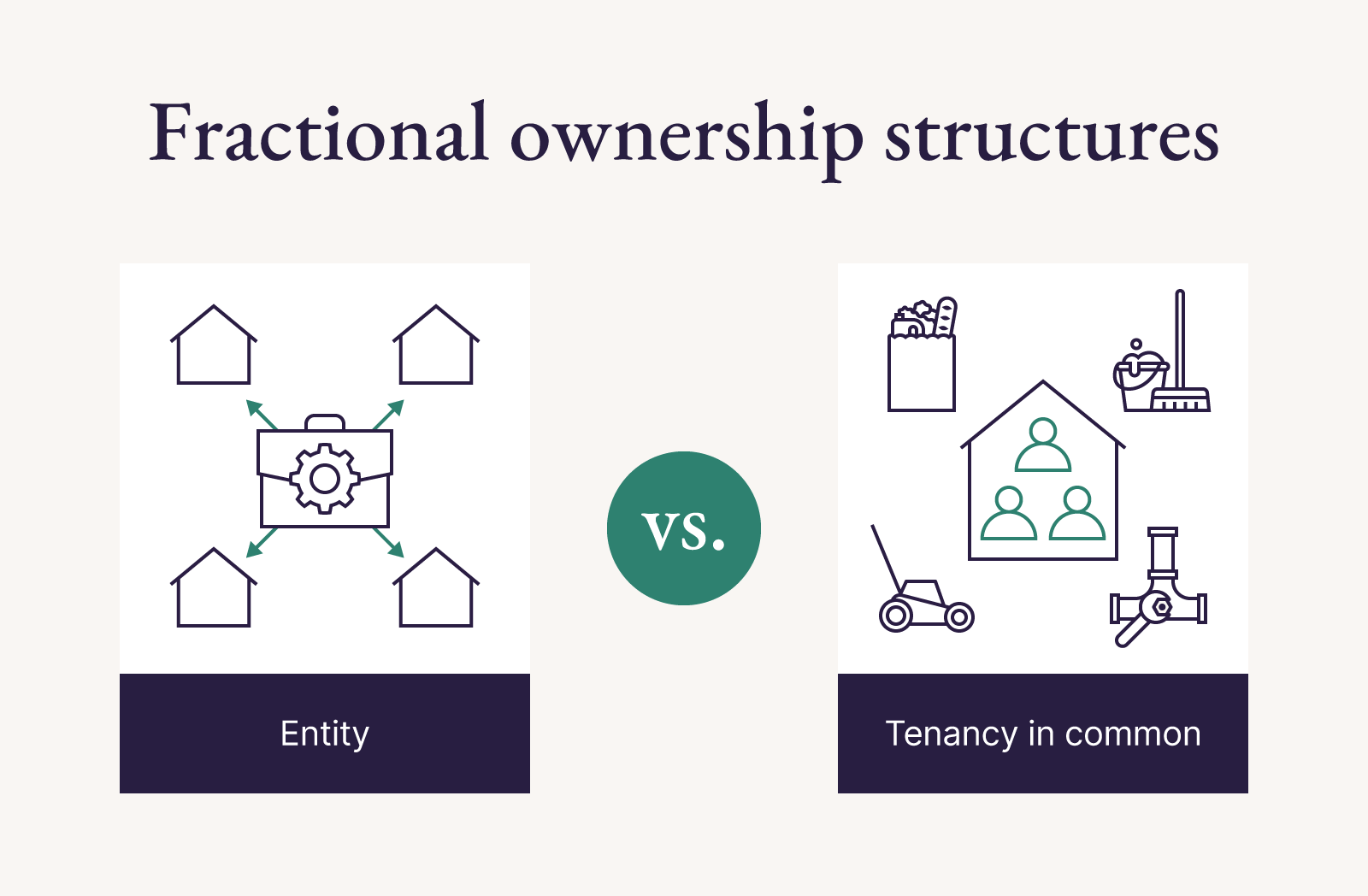
Points-based systems—think of them as the salsa bar of vacation ownership—let you mix and match destinations, unit sizes, and travel dates. Fractional ownership took it further, offering real equity in luxury properties, often in 1/8 or 1/4 shares, with all the perks and none of the headaches of sole ownership. And with global exchange networks, your week in Cancún could become a ski trip in the Alps or a wine-soaked escape in Tuscany.
As one industry leader put it:
Since the 1990s, the timeshare industry has evolved from rigid, fixed-week models to highly flexible, consumer-friendly formats. The rise of points-based vacation clubs and fractional ownership has provided greater flexibility, access, and value, while partnerships and exchange networks have expanded the range of experiences available to owners.
Show Me the Money: Returns, Revenue, and Real-World Impact
Let’s talk numbers—because even the most romantic investor wants to see the bottom line.
Higher Revenue Potential
Vacation ownership, especially in luxury and high-demand destinations, consistently outperforms traditional long-term rentals. According to recent studies, vacation rental investment properties can yield returns between 10% and 20%, depending on location, size, and demand. In the U.S., short-term rental hosts average over $44,000 annually, with hotspots like Hawaii and Cabo San Lucas soaring even higher.
Luxury short-term rentals can generate 2-3 times the income of traditional long-term leases, thanks to premium nightly rates, dynamic pricing, and seasonal demand peaks. And unlike that condo in the city that sits empty half the year, vacation ownership properties boast occupancy rates above 70%, compared to traditional second homes that languish at 11%.
Flexibility and Personal Use
Here’s where vacation ownership really spices up the investment stew. Owners can block out dates for personal use—imagine whisking your family away for Día de los Muertos in Puerto Vallarta—while still generating income the rest of the year. No year-long tenant headaches, no missed opportunities.
Tax Advantages
Vacation ownership isn’t just about margaritas and sunsets; it’s a savvy tax move. Owners can deduct depreciation, operating expenses, and even mortgage interest (up to $750,000 for fractional shares, thanks to recent U.S. tax reforms). And with the new $40,000 SALT deduction cap, high-tax market investors are smiling wider than a luchador after a title win.
Appreciation and Diversification
While traditional timeshares have struggled with resale values, the new wave of fractional and points-based ownership offers real, appreciating equity. Pacaso, a leader in the field, reports average resale appreciation of 9.7% for fractional shares. And let’s not forget: vacation ownership diversifies your portfolio, balancing stocks and bonds with tangible, usable assets.
The Human Side: Stories That Make the Numbers Sing
Let’s step away from spreadsheets for a moment. The true magic of vacation ownership is in the lives it transforms.
Take the García family from Mérida. After years of saving, they bought a fractional share in a Riviera Maya resort. Not only did they secure guaranteed vacations for their growing clan, but they also became part of a community—attending local festivals, supporting artisans, and even funding a school through the resort’s community program.
Or consider the young tech entrepreneur from San Francisco who, thanks to points-based ownership, spends winters surfing in Sayulita and summers hiking in Aspen—all while his investment grows and his stress shrinks.
As one developer told me over a plate of cochinita pibil:
Timeshare and vacation ownership models generate more consistent and widespread economic benefits for local communities than traditional real estate investments, primarily due to higher occupancy rates, steadier visitor spending, and reduced seasonality in tourism-related revenues and employment.
Community Impact: More Than Just Bricks and Mortar
Here’s a little-known fact: In Mexico, timeshare resorts are often the heartbeat of local economies. Unlike traditional second homes that sit empty, vacation ownership properties are alive with guests year-round. This means steady jobs, thriving restaurants, and vibrant cultural events.
A 2025 study found that fractional owners in California spent twice as much locally as traditional second-home owners. In Mexico, resorts fund everything from turtle conservation in Los Cabos to music schools in Mazatlán. It’s not just about owning a piece of paradise—it’s about uplifting the whole comunidad.
Owner Satisfaction: The Real Scorecard
Let’s address the elephant in the palapa: Are owners happy?
The answer, amigos, is a resounding sí. Industry surveys show 80–90% owner satisfaction, with many buyers returning for more. Yes, resale values for old-school timeshares can be low, and not every owner would buy again (about 47% say yes in hindsight). But the new models—flexible, transparent, and tech-savvy—are winning over a new generation. In fact, 57% of all timeshare owners are now Gen Z or Millennial. The future is young, digital, and ready to travel.
The Mexican Secret: Why This Country Leads the World
Let me share a secret, just between us: Mexico is the world’s timeshare capital, and it’s not just because of the beaches (though, let’s be honest, they help).
Mexico’s resorts pioneered the points-based revolution, blending hospitality with heritage. Did you know that the town of Tequila—yes, the birthplace of the drink—now hosts luxury fractional resorts where owners can harvest agave and learn mariachi guitar? It’s a blend of investment, experience, and culture you won’t find anywhere else.
And with new infrastructure, digital booking platforms, and a government committed to sustainable tourism, Mexico is poised to lead the next wave of vacation ownership innovation.
Table: Vacation Ownership vs. Traditional Real Estate
| Aspect | Vacation Ownership/Fractional | Traditional Real Estate |
|---|---|---|
| Revenue Potential | High (10–20%+ ROI) | Moderate, often lower |
| Occupancy Rate | 70%+ year-round | 11% (second homes avg.) |
| Flexibility | High (points, exchanges) | Low (fixed, hard to rent) |
| Tax Advantages | Strong (deductions, SALT) | Standard, less flexible |
| Community Impact | High (jobs, local spending) | Low (vacancy, less spend) |
| Owner Satisfaction | 80–90% | Varies |
| Demographics | 57% Gen Z/Millennial | Older, less diverse |
Hasta Mañana
So, dear investors, families, and dreamers: The world of vacation ownership isn’t just outperforming traditional real estate—it’s reinventing what it means to invest, belong, and thrive. If you’re ready to trade the old model for something as vibrant as a Mexican sunset, the time is now.
For more inspiration, check out these resources:
- Is Investing in Vacation Rentals a Good Idea?
- A slice of paradise, fractionally owned: The shift in vacation homeownership
- Fractional Ownership Vacation Property: 7 Powerful Pros, New Tax …
- Pros and Cons of Vacation Homes as an Investment – Pacaso
- Everyday Investors Are Helping To Reinvent Vacation Home Ownership
And for a taste of the latest trends, don’t miss this insightful YouTube feature: Vacation Home Investment: What You Should Know Before Buying a …
Remember: Hospitality is not a transaction—it’s a relationship. Vacation ownership is not about buying time—it’s about owning joy. And Mexico? It’s not just a destination—it’s the heartbeat of modern travel.
Investors Take Note: Why Vacation Ownership Outperforms Traditional Real Estate
Hasta mañana, amigos. The next chapter of your investment story is waiting under the Mexican sun.
José, signing off with a smile and a fresh batch of salsa. See you at the next fiesta—maybe in your new vacation home.
