

If you’ve ever wondered whether your next vacation could do more than just recharge your batteries—maybe even help the planet, uplift a community, and still leave you with a tan—let me take you on a journey through the world of vacation ownership. Spoiler: it’s not just about locking in a week in Cancún (though, let’s be honest, who would say no to that?). It’s about building a future where travel is as sustainable as it is sensational.
The Green Revolution: From Concrete Towers to Conscious Communities
Once upon a time, the timeshare industry was all about glossy brochures, fixed weeks, and a sales pitch that could rival a telenovela for drama. But as the world changed, so did vacation ownership. 40 years ago we saw the rise of points-based systems, giving owners the flexibility to travel when and where they wanted. But the real plot twist? Sustainability.
Today, 81% of travelers say sustainable travel is important to them (Booking.com, 2022). The industry listened. Modern vacation ownership isn’t just about swapping your snow boots for sandals; it’s about reducing your carbon footprint, supporting local economies, and preserving the magic of destinations for generations to come.
Take, for example, the eco-friendly upgrades sweeping through timeshare resorts: LED lighting, solar panels, water-saving fixtures, and robust recycling programs are now as common as poolside margaritas. Many resorts have gone further, partnering with local environmental groups for beach clean-ups and conservation efforts. As one industry leader put it:
With increasing awareness of the climate crisis, people are traveling more thoughtfully, more creatively and more intentionally.
Glenn Fogel, CEO of Booking.com
Shared Spaces, Shared Responsibility
Here’s a little-known fact: timeshares, by design, are inherently more sustainable than traditional hotels. Why? It’s all about shared resources. Instead of hundreds of rooms sitting empty, timeshare units are used efficiently by multiple families throughout the year. This means less energy wasted, fewer single-use plastics, and a smaller environmental footprint.
A recent article from Global Exchange Vacation notes,
Timeshares operate on a model of shared ownership, which means that multiple families use the same unit at different times throughout the year. This efficient use of space and resources results in lower overall energy consumption compared to single-use hotel rooms that may sit empty for extended periods.
Global Exchange Vacation
And let’s not forget the kitchens! Owners can prepare meals, reducing reliance on takeout and disposable packaging. It’s a win for the planet and your wallet—plus, nothing beats the smell of homemade chilaquiles in the morning.
Community: The Heartbeat of Sustainable Tourism
Sustainable tourism isn’t just about hugging trees (though, in Mexico, we do have some pretty huggable ceibas). It’s about people. Vacation ownership has become a powerful engine for local economies, providing stable jobs, supporting artisans, and funding community projects.
In Barcelona, for example, vacation rental companies are now engaging in transparent communication with residents, investing in affordable housing, and promoting local culture through partnerships with artists and cultural organizations. The lesson? When tourism and community walk hand in hand, everyone wins.
In Mexico, many resorts have taken this to heart. Did you know that some timeshare resorts in the Riviera Maya fund local schools and sponsor environmental education programs for children? Or that in the tiny town of Izamal—known as the “Yellow City” and one of Mexico’s Pueblos Mágicos—timeshare guests are invited to participate in traditional cooking classes and artisan workshops, directly supporting local families?
The Triple Bottom Line: People, Planet, Profit
Let’s talk business, because even the most romantic mariachi needs to pay the bills. Sustainable practices aren’t just good for the soul—they’re good for the bottom line. According to Touch Stay, 83% of travelers think sustainable travel is vital, and eco-friendly properties are seeing higher occupancy rates and guest loyalty.
Vacation ownership companies are responding with green certifications, energy-efficient renovations, and partnerships with local suppliers. The result? Lower operating costs, happier guests, and a reputation that shines brighter than a Cancún sunrise.
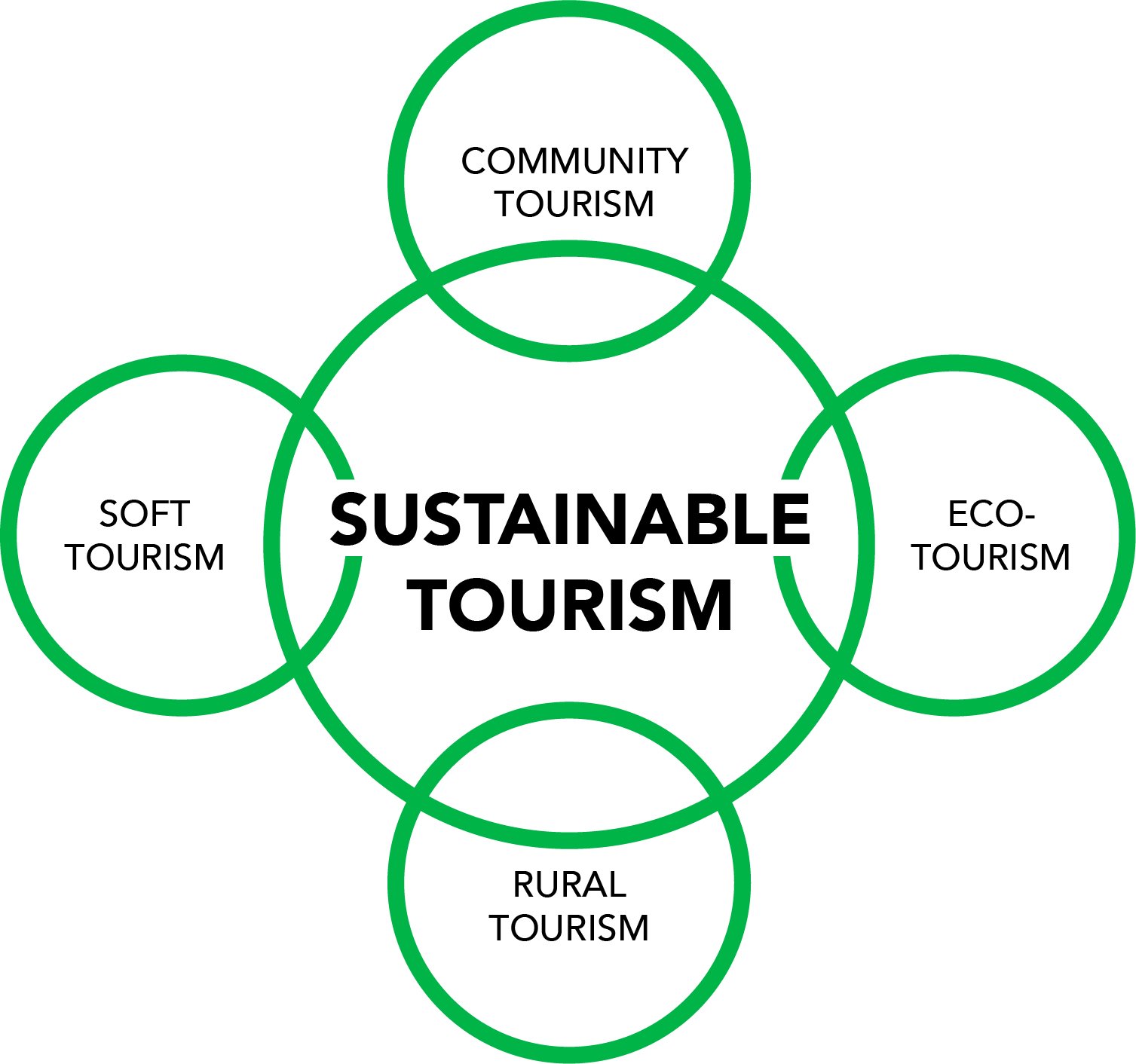
How Vacation Ownership Creates Sustainable Tourism
Here’s a quick look at the triple bottom line in action:
| Pillar | Example Initiative | Impact |
|---|---|---|
| Environmental | Solar panels, LED lighting, recycling | Reduced carbon footprint, lower costs |
| Social | Local hiring, cultural programs | Stronger communities, authentic experiences |
| Economic | Supporting local suppliers, fair wages | Economic resilience, guest satisfaction |
From Owners to Ambassadors: The Human Story
Behind every timeshare contract is a story—a family returning year after year, a retiree discovering new corners of Mexico, a group of friends volunteering at a turtle sanctuary. Vacation ownership creates a sense of belonging, turning guests into ambassadors for sustainable travel.
As Bob Garner, a sustainability advocate in the vacation rental space, says:
Guests are actively looking for eco-friendly travel options, which means that owning an environmentally friendly holiday rental is a strong selling point. If you can’t offer a sustainable holiday, many eco-conscious travellers won’t even consider you.
Bob Garner, Casal dei Fichi
And let’s not forget the joy. After all, hospitality is not a transaction—it’s a relationship. When owners feel connected to a place and its people, they become stewards of its future.
A Taste of Tomorrow: Innovation and the Future of Sustainable Vacation Ownership
The future of vacation ownership is as bright as a Yucatán afternoon. Technology is making it easier than ever to book, exchange, and manage ownership, while new models—like fractional ownership and vacation clubs—are opening the door to more travelers.
But the real innovation is in mindset. As the World Economic Forum notes,
To make sustainable and regenerative tourism a reality, travellers themselves must undergo a mindset shift.
World Economic Forum
Vacation ownership is leading the way, inviting travelers to be part of something bigger than themselves.
And here’s a juicy tidbit for your next trivia night: Mexico is home to more Pueblos Mágicos than any other country—177 as of 2025! Many of these magical towns are now welcoming timeshare owners, blending tradition with innovation and proving that sustainable tourism can be as colorful as a fiesta.
Hasta Mañana
If you’re ready to be part of the movement—whether as an owner, investor, or simply a more mindful traveler—the door is open. Vacation ownership isn’t just about buying time; it’s about owning joy, building community, and leaving a legacy for the next generation.
Remember: the next time you’re sipping a margarita on a sun-drenched terrace, you’re not just on vacation—you’re part of a movement. ¡Salud!
